AP SSC Social Science Deleted Syllabus 2026: Check Chapter Wise Deleted Syllabus
Table of Contents
The Social Science syllabus for the 10th grade or SSC (Secondary School Certificate) students has undergone significant revisions by the Andhra Pradesh board. Many changes have been made to the AP SSC Social Science syllabus to reduce the academic burden of the students. To let the students to concentrate on the crucial social, political and economic concepts for the AP SSC exam, certain difficult topics have been eliminated. The topics that were removed were either repetitive or of little significance to the students.
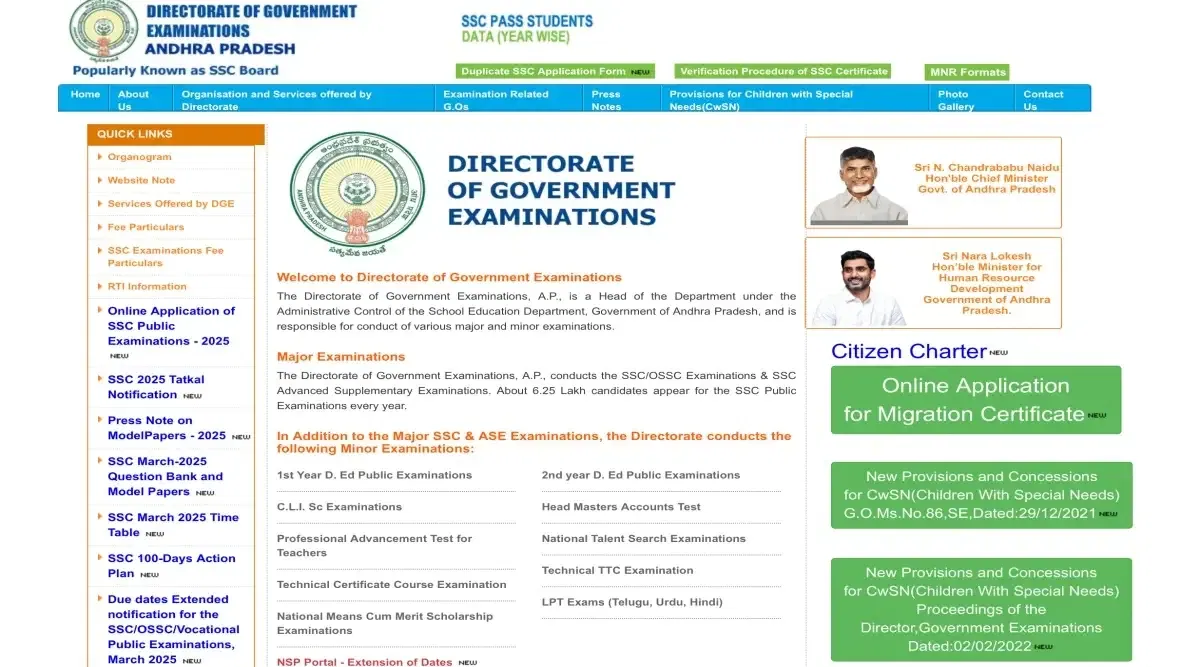
It is recommended that students review the AP SSC Deleted Syllabus 2026 in order to adequately prepare for the next board exams. Students will find it easier to study every topic before the board exams if some of the syllabus is removed. The syllabus which has been removed is available on the Andhra Pradesh board's official website, bse.ap.gov.in. The students who are going to give their 10th boards for the academic year 2025-26 can go through this article to check out the AP SSC Social Science Deleted Syllabus 2026.
AP SSC Social Science Deleted Syllabus 2026 - Chapter Wise
Significant chunks of almost all the syllabus's chapters have been removed which were unimportant for the students. The chapter wise AP SSC Social Science Deleted Syllabus 2026 is given in the following table:
| Chapters | Deleted Topics |
|---|---|
| India - Relief Features | India map on page 3 |
| Ideas of Development |
Tables 14,15 Income and other goals |
| Production and Employment | Graphs, tables on Page 32, 36, 37, 40 |
| Climate of India | Climographs tables on page 45,46 |
| Indian Rivers and Water Resources | Outflows Water use in Tungabhadra river basin |
| The people | Changing population size |
| People and settlement | How did settlements begin? Expansion of agriculture and emergence of towns Urbanization in India |
| People and Migration | Rural – Urban Migration International Migration |
| Rampur : A Village Economy |
Land distribution in Rampur Organization of production Labor for the farm Transport: a fast developing sector |
| Globalization | Production across countries Interlinking production across countries Foreign trade and integration of Market Technology Liberalization of Foreign trade and foreign investment Small producers – Compete or perish The struggle for a fair globalization |
| Food Security | Increasing food grain production Nutrition status |
| Sustainable Development with Equity | People’s rights over the environment An Alternative public distribution system |
| The world between wars 1900-1950 Part I | No topics deleted |
| The world between wars 1900-1950 Part II | The October revolution and the Russian countryside : Two Views Central Asia of the October revolution views Rabindranath Tagore wrote from Russia in 1930 Hitler's speech Box item questions in Page 194 Indoctrination, Women under Nazis |
| National liberation movements in the colonies | Vietnam - Against two colonizers Nigeria : forming unity against the colonizers |
| National movement in India - partition and Independence: (1939 -1947) | No topics deleted |
| The making of Independent India's Constitution |
Nepal Interim Constitution Preamble 2007 Japan Constitution Preamble 1946 |
| Independent India (The first 30 years 1947-1977) | Foreign policy and wars The succession Anti Hindi agitation Green revolution Rise of regional parties and regional movements Jammu and Kashmir The left turn |
| Emerging political Trends 1977-2000 |
The President rule Assom Movement |
| Post - war world and India | Proxy war Military alliances Arms and space race West Asian conflicts The growth of nationalism in the middle East Peace movements, collapse of the USSR and end of the cold war |
| Social movements in our times | Civil rights and other movements of 1960’s Human rights movements in the USSR Anti Nuclear and Anti-war movement Globalization, marginalized people and environmental movements Movements against dams on the Narmada river Silent Valley Movement Adavallu Ealemaithey |
| Citizens and the Government | Part – II Legal service authority |
AP SSC Social Science Syllabus 2026 PDF
The final PDF of the Social Studies syllabus is accessible on the Andhra Pradesh board's official website after several topics were removed. The link for the AP SSC Social Science Syllabus PDF is given below:
| AP SSC Social Science Syllabus 2026 PDF |
Also read: AP SSC sample papers
AP SSC Social Science Question Paper Pattern 2026
It is necessary for the students to know the question paper pattern, to prepare for the Social Science board exam. The Social Science question paper is of maximum 100 marks consisting paper I and II. It is divided into 4 sections. Section I consists of objective questions and is of 12 marks. Section II consists of very short answer questions and is of 16 marks. Section III consists of short answer questions and is of 32 marks. Section IV consists of long answer questions and is of 40 marks. The pattern of the Social Science question paper is given in the following table:
| Section | Number of questions | Marks Allotted |
|---|---|---|
| I | 12 | 1 mark for each question |
| II | 8 | 2 marks for each question |
| III | 8 | 4 marks for each question |
| IV | 5 | 8 marks for each question |
Also read: AP SSC exam pattern
AP SSC Social Science Topics Weightage 2026
Students need to concentrate on the subjects that carry the most weight. The weightage of the various topics of Social Science are given in the following table:
| Topics | Weightage |
|---|---|
| Geography | 25% |
| History | 25% |
| Civics | 25% |
| Economics | 25% |
Also read: AP SSC previous year question papers
Benefits of AP SSC Social Science Deleted Syllabus 2026
The benefits of the AP SSC Social Science deleted syllabus 2026 are:
- Students' academic stress is lessened.
- The students are able to complete their syllabus on time.
- Less intelligent students can easily understand a syllabus that is shorter.
- Students don't have to waste their time and energy on repetitive concepts and unrelated topics.
Students can regularly visit this page for all information related to the AP SSC Social Science deleted syllabus 2026.