
Discover how DPUSOD cultivates innovative, out-of-the-box designers through human-centered learning, hands-on experiences, multidisciplinary exposure, and strong industry connections.
Table of Contents
- Beyond Aesthetics: Shaping Designers Who Solve Problems
- Experiential Learning: Where Creativity Meets Real-World Practice
- A Multidisciplinary Approach: Expanding the Design Mindset
- Industry Integration: Learning from Real-World Design Practice
- Fostering a Culture of Creativity and Innovation
- Conclusion
As the design world shifts from creating visually appealing objects to solving meaningful, real-world problems, the demand for designers who think beyond traditional boundaries is higher than ever. Design today influences every sphere—technology, healthcare, lifestyle, sustainability—and the designers who stand out are those who look past the brief, break conventions, and create work that is both innovative and impactful.
At DPUSOD, one of India’s leading product design institutes, developing “out-of-the-box” designers is not just a goal—it's embedded in the core teaching philosophy. Students are encouraged to blend creativity with functionality, combine tradition with modernity, and align imagination with industry needs. This holistic approach shapes future-ready designers equipped to lead and innovate.
Beyond Aesthetics: Shaping Designers Who Solve Problems
DPUSOD’s design education goes far deeper than aesthetics. Students learn to approach design as a tool for problem-solving, innovation, and human betterment. Every project—whether physical, digital, or service-based—is viewed through the lens of human-centered design.
They are trained to explore:
-
Who will use this product?
-
What problems does it solve?
-
How does it improve everyday life?
By integrating empathy, usability, and functionality with form, students design purposeful solutions that extend beyond initial briefs. This mindset reinforces the idea that design is a solution-driven discipline capable of shaping meaningful human experiences.
Experiential Learning: Where Creativity Meets Real-World Practice
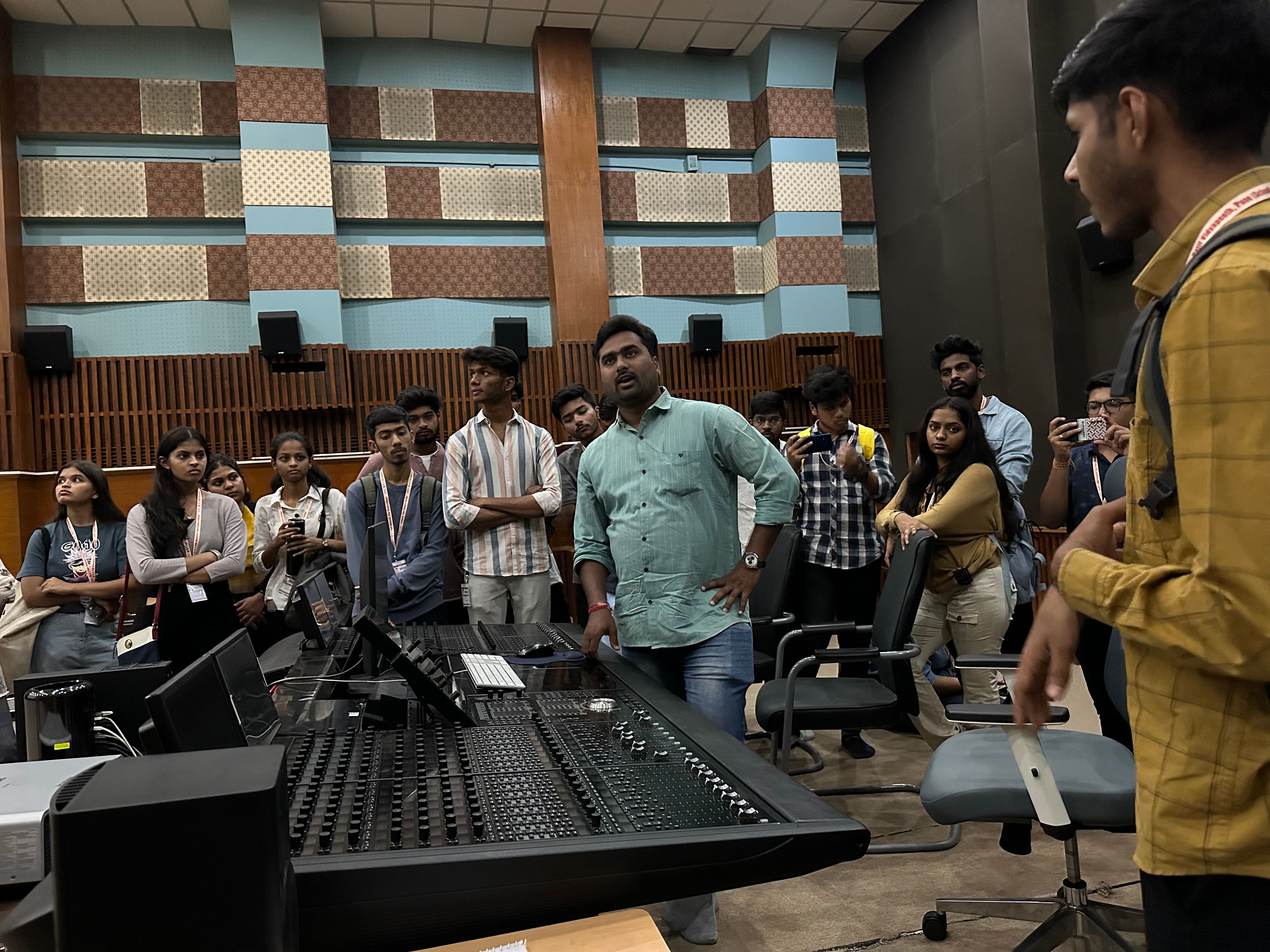
DPUSOD replaces traditional lecture-style teaching with experiential, hands-on learning. Workshops, studio sessions, prototyping labs, live demonstrations, and industry assignments make practical learning the norm.
Students engage in activities such as:
-
Building prototypes
-
Conducting usability studies
-
Exploring sustainable materials
-
Working on live client projects
Design studios serve as dynamic hubs of creativity where students sketch, ideate, test, and refine ideas without fear of mistakes. A culture of experimentation encourages risk-taking—an essential ingredient for innovation.
A Multidisciplinary Approach: Expanding the Design Mindset
Modern design overlaps with technology, psychology, business, sustainability, and communication. DPUSOD’s curriculum reflects this reality, encouraging students to explore and connect multiple disciplines.
Learners gain exposure to:
-
Ergonomics and materials
-
Consumer behavior
-
AR/VR, AI, and emerging technologies
-
The intersection of art, science, creativity, and logic
This interdisciplinary foundation broadens their perspectives, enabling original thinking and helping them create solutions that are practical, relevant, and ahead of industry trends.
Industry Integration: Learning from Real-World Design Practice
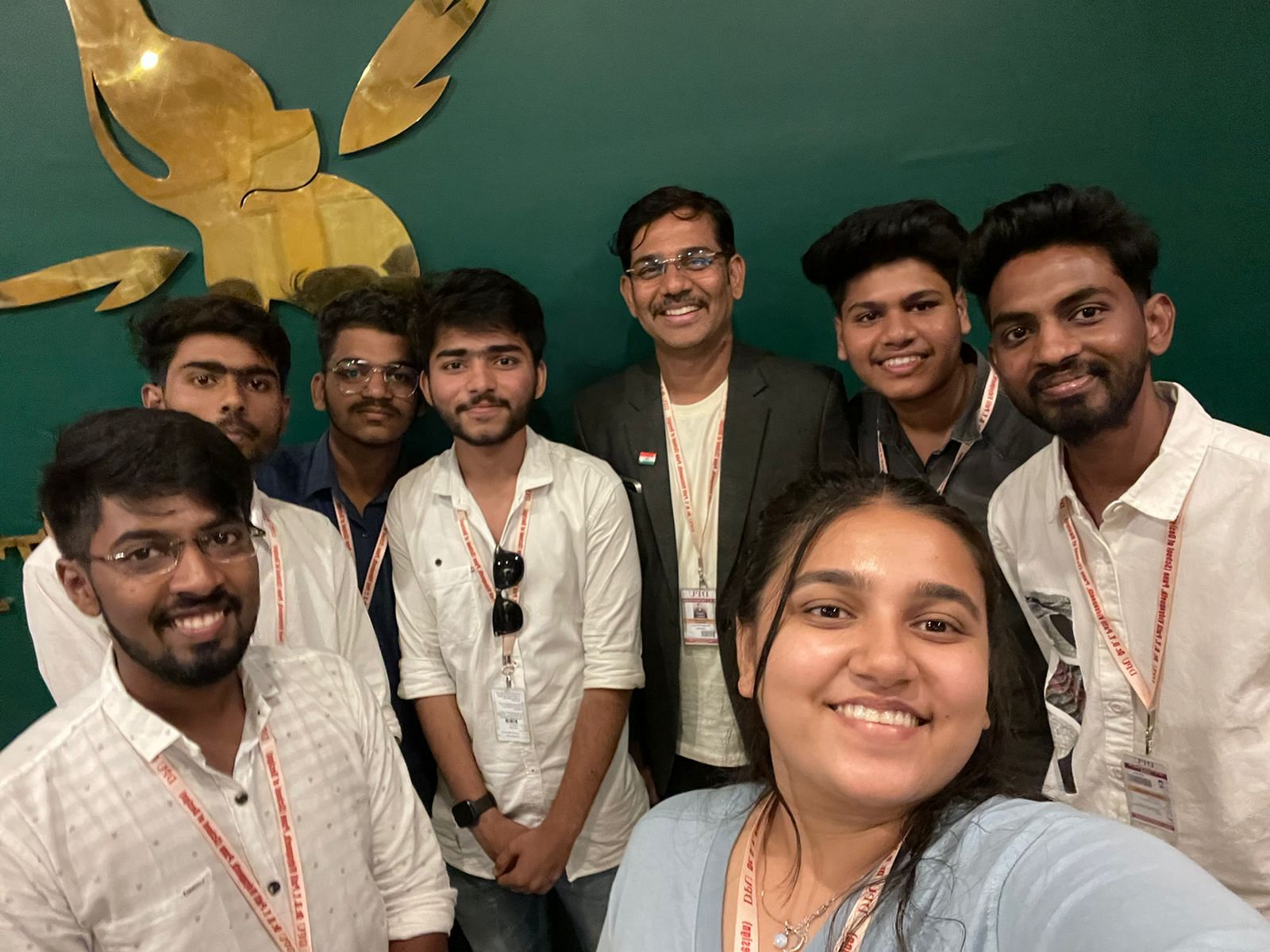
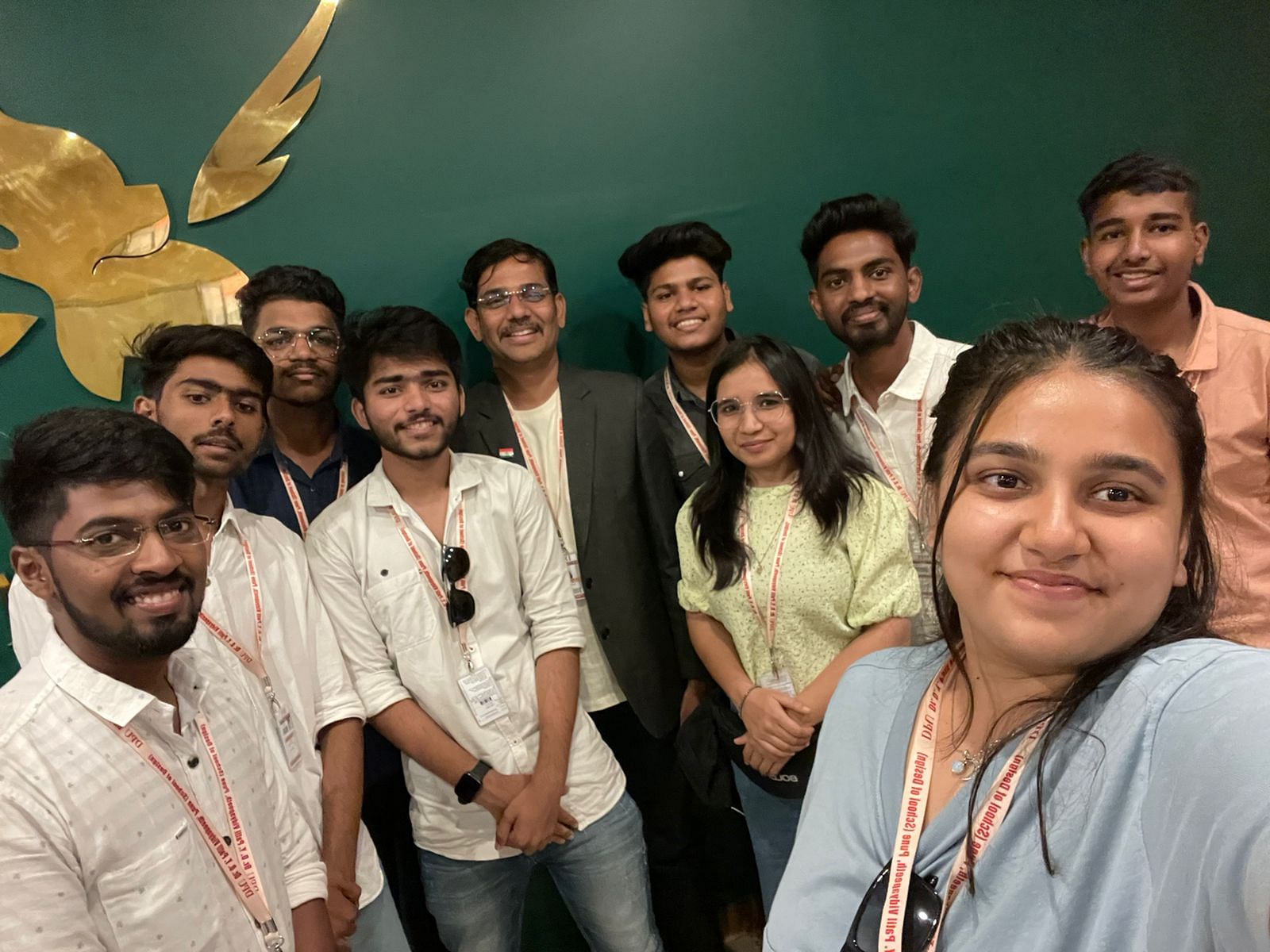
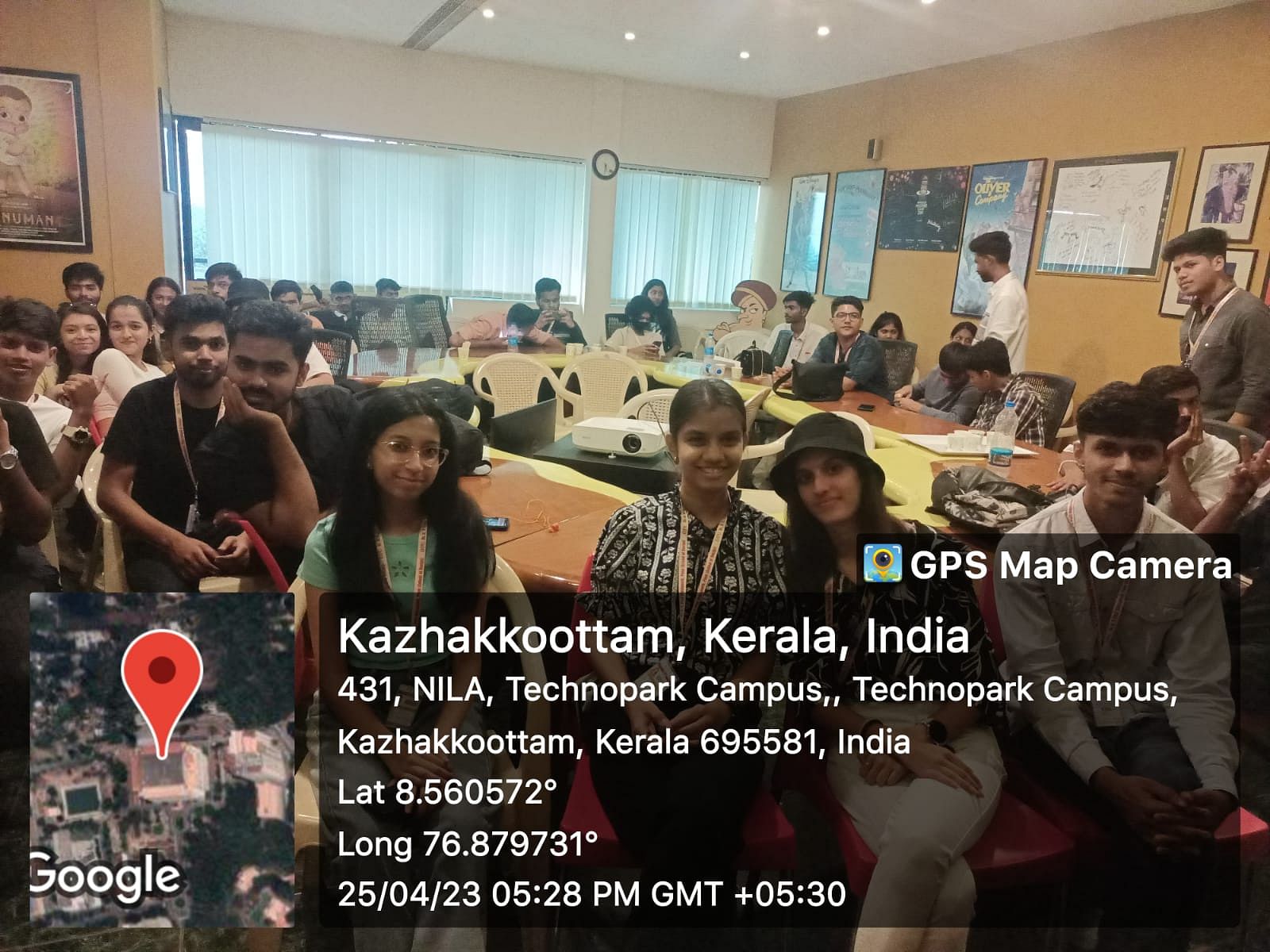
Innovation thrives on exposure and collaboration. DPUSOD maintains strong industry ties to ensure students stay connected to current professional realities.
Through:
-
Internships
-
Live projects
-
Guest lectures
-
Mentorship sessions
Students learn directly from leading practitioners and understand the challenges and opportunities shaping the design landscape. These experiences strengthen their ability to propose unconventional, bold ideas and develop solutions that inspire change.
Fostering a Culture of Creativity and Innovation
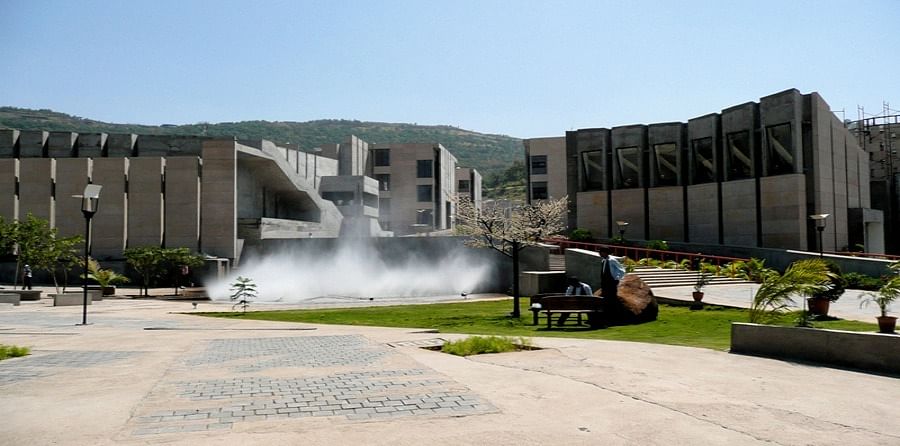
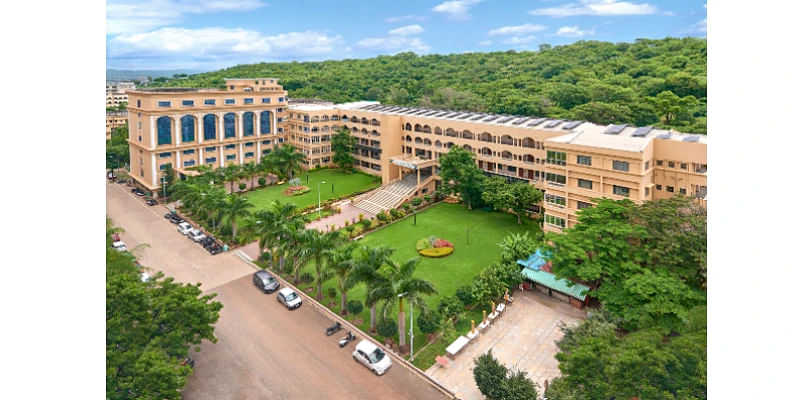
The DPUSOD campus cultivates an environment where creativity, collaboration, and experimentation flourish. Students participate in competitions, exhibitions, and showcases that help them refine ideas, gain feedback, and build confidence.
The institute promotes a growth mindset, emphasizing that mistakes are part of the creative journey. Safe spaces for ideation empower students to take risks, test concepts, and evolve through continuous improvement.
Conclusion
The future belongs to designers who challenge norms, think expansively, and create solutions with meaningful impact. DPUSOD’s thoughtfully crafted curriculum, experiential learning approach, multidisciplinary exposure, and strong industry partnerships together nurture these visionary thinkers.
More than an educational institution, DPUSOD serves as a launchpad for aspiring designers who want to push boundaries, shape industries, and influence the world through design.

































POST YOUR COMMENT