
Discover how D.Y. Patil University School of Design prepares students for creative careers through industry-focused curriculum, expert mentors, portfolio building, and career support.
Table of Contents
- 1. Industry-Aligned Curriculum That Thinks Like the Real World
- 2. Learn From Mentors Who’ve Been There, Done That
- 3. Skill-Building That Turns Passion Into Paychecks
- 4. A Portfolio That Opens Doors
- 5. Creativity Meets Confidence: Building the Right Mindset for Success
- 6. Career Support That Guides You From Campus to Career
- Final Words
Have you ever wanted to have a job that allows you to visualize your thoughts as pictures, stories, activities, and effects?
Would you like to be able to create and bring your ideas to life using companies, studios, and brands?
If so, you have arrived at D.Y. Patil University School of Design, where your imagination becomes your career. For students exploring top creative institutes and comparing leading B.Sc interior design colleges, it stands out as a space where creativity is transformed into real-world design careers through hands-on learning and industry exposure.
Talent alone is not enough; You must develop your ability and build your confidence by obtaining enough experience to compete in the creative field.
This institution not only educates you in design but also trains you for the competitive design industry. Here is how the institute will prepare you to find the creative position you've always wanted.
1. Industry-Aligned Curriculum That Thinks Like the Real World
At this institute, learning doesn’t follow outdated textbooks; it follows industry evolution.
This curriculum is tailored for the current needs of the creative industry, including animation, VFX, Graphic Design, UX/UI product, and Visual Communication. Students will learn the current technology, methods, and trends being used by professionals in the industry. Students will learn the tools and techniques necessary for their field of study and be prepared for their first job interview as they go through the entire design process - brainstorming, concept development, and executing the final design.
Every project is an opportunity for you to think, problem-solve, and create as if you were a full-time creative professional before you even have an interview. The practical nature of the courses gives recruiters confidence that when they look at your profile, you will not be viewed as a recent graduate, but rather as a creative thinker prepared to enter the workforce.
2. Learn From Mentors Who’ve Been There, Done That
What is the difference between average learning and exceptional learning? The right mentors.
At this institute, students are guided by experienced faculty members and industry professionals who understand how the creative world operates beyond the classroom. These mentors don’t just teach software; they teach thinking, storytelling, presentation, and problem-solving.
You learn:
- How to pitch ideas confidently
- How to take feedback like a professional
- How to refine concepts without losing originality
Regular guest lectures, workshops, and expert interactions give students direct access to industry insights, expectations, and career advice. When you learn from people who’ve worked in studios, agencies, and global brands, you gain clarity and confidence.
3. Skill-Building That Turns Passion Into Paychecks
Creative jobs demand more than creativity; they demand strong, practical skills. D.Y. Patil University School of Design focuses heavily on hands-on learning, ensuring every student builds a powerful skill set.
What they Help You Master:
- Industry-standard software & tools
- Concept development & visual storytelling
- Design thinking & user-centric approaches
- Team collaboration & creative problem-solving
- Time management & project execution
Every assignment, studio session, and project adds to your professional readiness. You don’t just “learn design”, you practice it until it becomes second nature. By the time you graduate, your skills speak louder than your resume.
4. A Portfolio That Opens Doors
In creative careers, your portfolio is your passport. The Institute realizes the importance of your portfolio and treats the process of building your portfolio as a focal point, rather than an afterthought. This is why it is increasingly counted among BSc interior design colleges that prioritise strong, industry-ready portfolios, helping students stand out in interviews, internships, and professional design spaces.
Portfolio Building Support Includes:
- Real-world projects versus generic assignments
- A Conceptually driven body of work that is original
- Briefs and challenges that relate to the industry
- Assessment, feedback, and refinement throughout the entire process
Students leave the program with a Portfolio that tells a story about their growth, thought process, versatility, and creativity. The Portfolio reflects more than just skill, but also how you think as a designer.
And this is exactly what Recruiters, Studios, and Creative Agencies are looking for.
5. Creativity Meets Confidence: Building the Right Mindset for Success
One of the most underrated aspects of landing a dream creative job is confidence, the confidence to present your ideas, defend your concepts, and trust your creative instincts. The institute actively works on shaping not just skilled designers, but confident creative professionals.
Through presentations, critiques, group discussions, and live project reviews, students learn how to speak about their work with clarity and conviction. You’re encouraged to ask questions, challenge ideas, and think independently. This environment helps you overcome self-doubt and develop a strong creative voice, something the industry values deeply.
Creative jobs aren’t just about what you make; they’re about how you think and communicate. They ensure that students are comfortable pitching ideas to clients, collaborating with teams, and adapting to fast-paced creative environments. These experiences prepare you for real studio culture, where teamwork, deadlines, and feedback are part of everyday life.
Exposure Beyond Classrooms: Learning That Extends Into the Industry
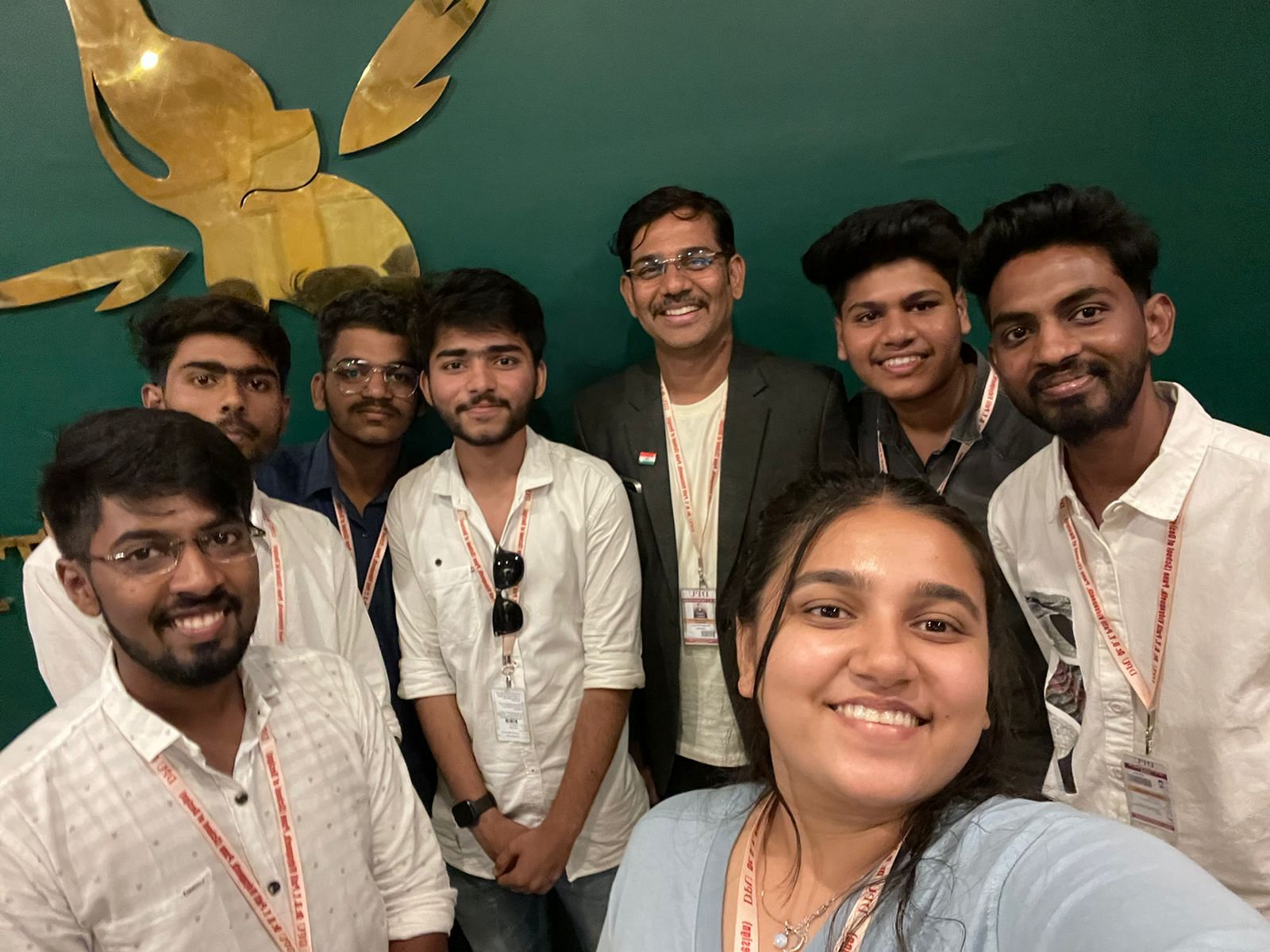
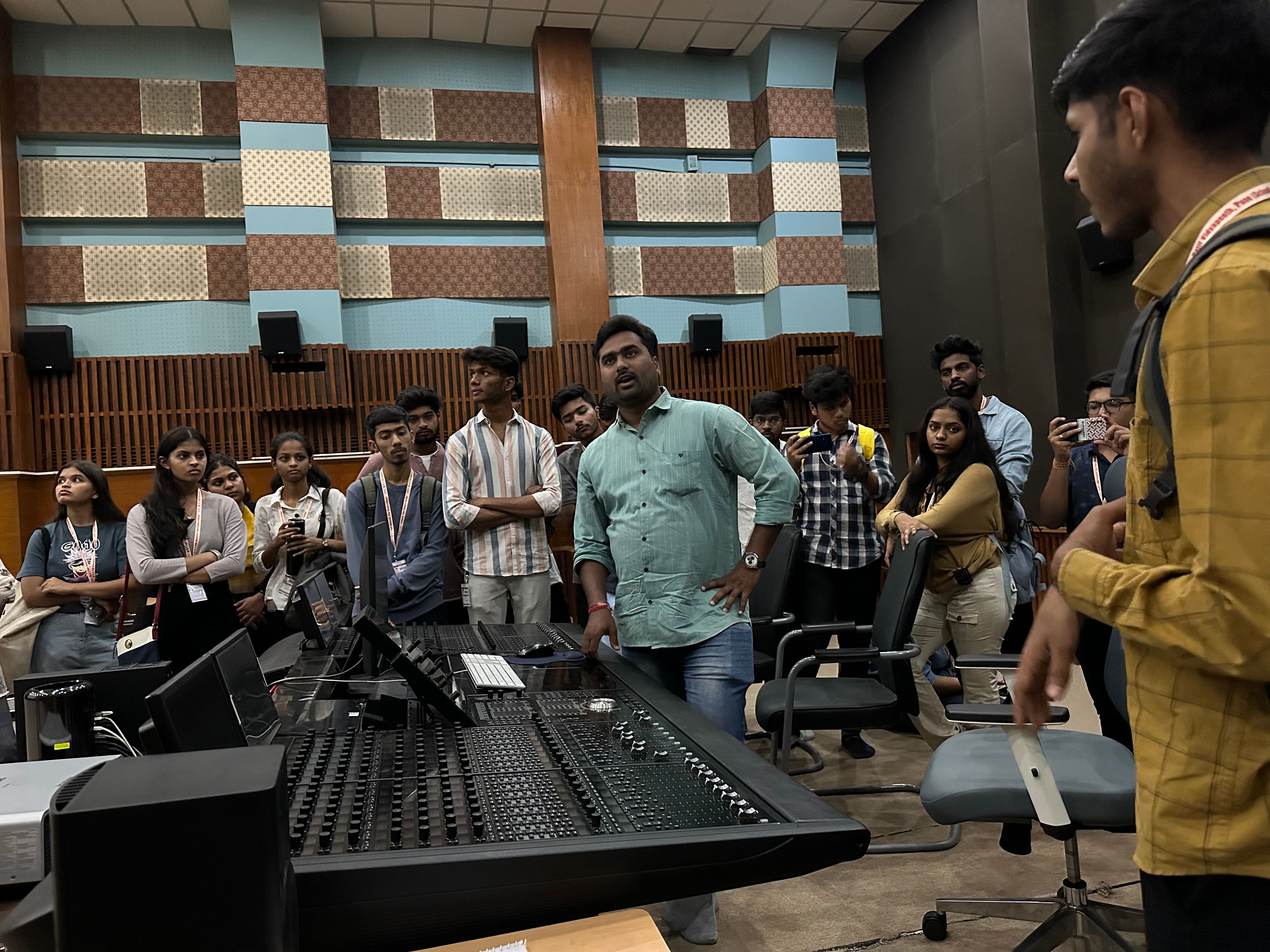
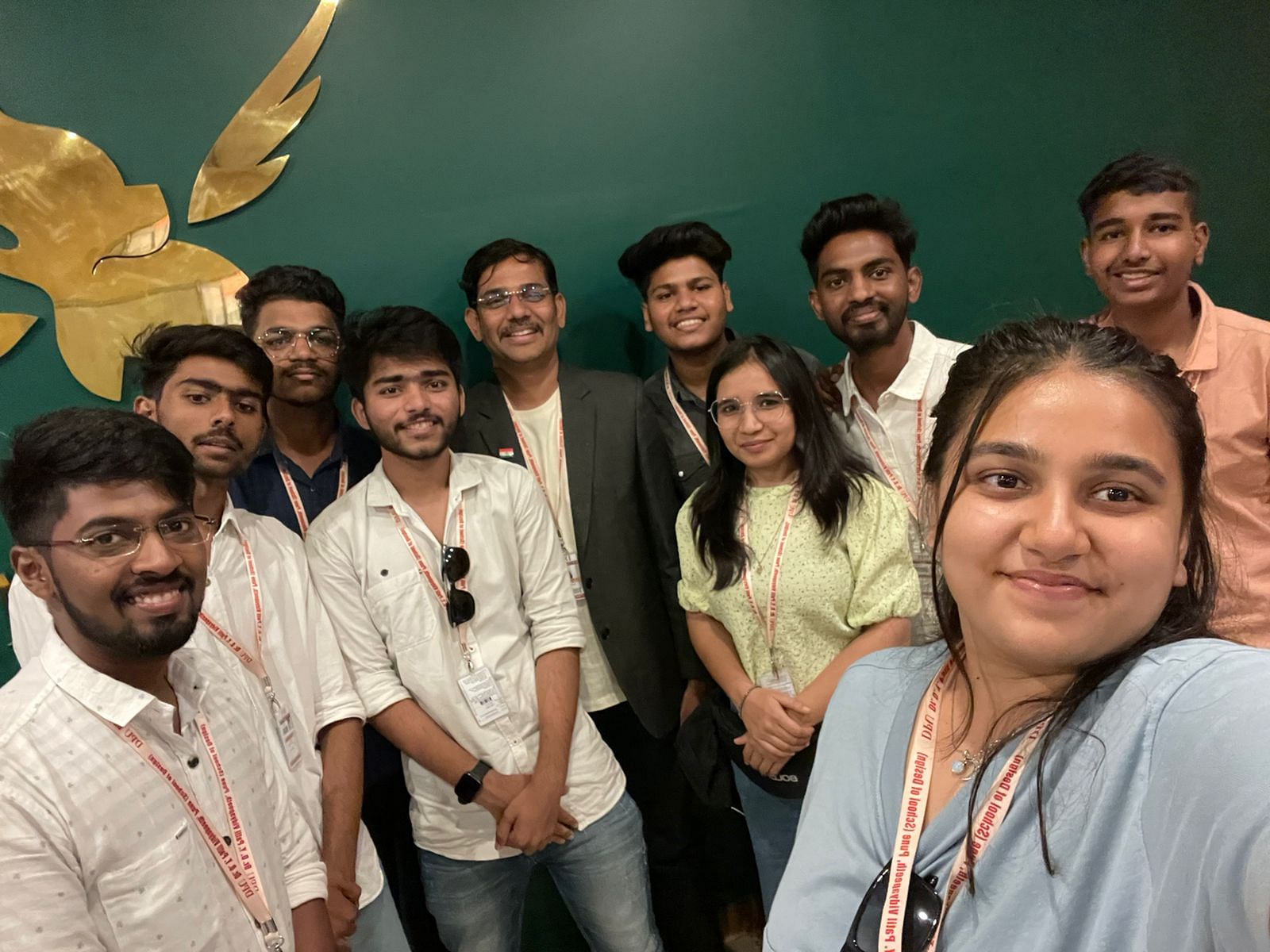
At D.Y. Patil University School of Design, learning doesn’t stop when the lecture ends. Students are constantly exposed to the outside creative world through competitions, exhibitions, workshops, and industry interactions. This exposure helps students understand current market demands, evolving design trends, and emerging career opportunities.
Being part of such platforms allows students to network with professionals, gain visibility, and sometimes even discover unexpected career paths. These experiences make students more adaptable, aware, and industry-ready.
By the time you step out of the institute, you’re not just academically qualified, you’re industry aware, creatively confident, and professionally prepared.
6. Career Support That Guides You From Campus to Career
Landing your dream job isn’t luck; it’s preparation plus opportunity. The institute ensures students get both.
Career-Focused Support at DPUSOD:
- Internship opportunities with creative firms
- Industry exposure through live projects
- Placement guidance and career mentoring
- Resume, interview & portfolio preparation
Students are trained to face interviews with confidence, communicate their ideas clearly, and present themselves professionally. With the right guidance and exposure, many students step into internships and placements even before completing their programs.
The institute doesn’t just teach you to dream big; it shows you how to achieve it.
Final Words
Creative careers are competitive but the right education makes all the difference. At D.Y. Patil University School of Design, creativity is nurtured, skills are sharpened, and careers are shaped with intention.
Here, you don’t wait for opportunities - you create them.
You don’t follow trends - you set your own creative path.
If your dream job lives in studios, screens, stories, designs, and ideas that inspire, this institute is where that journey begins. Because when talent meets the right platform, success isn’t a possibility; it’s inevitable.







































POST YOUR COMMENT