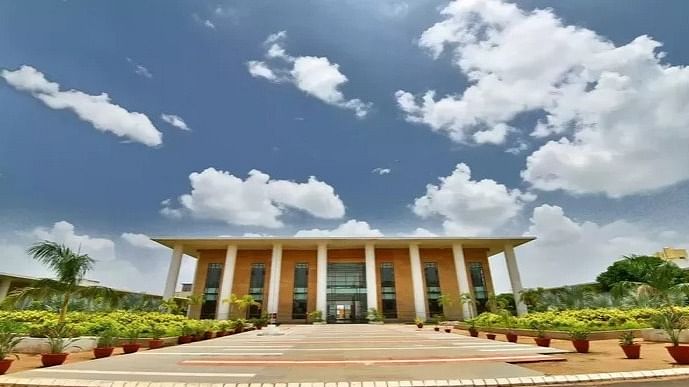

KIIT University offers more than 20 different scholarships, including its own special awards and support for government schemes. These help thousands of students every year by rewarding top performers in academics, providing money to those from low-income families, and encouraging diversity through scholarships for specific groups like minorities or castes. They cover undergraduate courses (like B.Tech or BBA), postgraduate ones (like M.Tech or MBA), and PhD programs in areas such as engineering, management, medicine, and law. For 2025, the main highlights are merit-based rewards from the KIITEE exam and state or national aids to make education accessible for everyone.
Types of KIIT University Scholarships
Merit-Based Scholarships
Merit scholarships at KIIT reward students for strong academic results, based on entrance exam ranks and regular grades.
- KIITEE Merit Scholarship: Given to the best performers in the KIITEE 2025 exam. The number one ranker (only for the 4-year B.Tech program) gets free full education. Ranks 1 to 1,000 receive Rs. 1,20,000 every year for their entire course, as long as they keep at least 60% average in Physics, Chemistry, and Math combined.
- KIIT Merit Scholarship: Awarded to the top three students in the university each semester, based on their CGPA. It lasts for six months.
- Prakriti Lamsal Memorial Scholarship: For high-achieving girls from Nepal studying any course at KIIT.
Need-Based Scholarships
These scholarships help students from low-income families by easing money worries.
- Tuition Fee Waiver Scheme (TFW) for BPL Card Holders: Up to 5% extra seats in B.Tech are saved for families with Below Poverty Line (BPL) cards. It covers all tuition fees, but you still pay for things like hostel or exams.
Category-Specific Scholarships
KIIT helps with government scholarships for groups that need more support, like refunds on fees and extra money for living costs.
- SC/ST/OBC/Minority Scholarships: This includes Odisha's Post-Matric Scholarships for ST/SC (covers tuition and exam fees) and OBC/SEBC/EBC (same coverage). National programs like Central Sector Scholarships for SC/ST/OBC and PM-YASASVI for OBC/EBC/DNT give tuition help plus pocket money. There are also options for girls, like e-Medhabruti (for Odisha girls in UG courses based on merit) and national schemes for girl students.
- EWS Scholarships: These are part of state Post-Matric programs for families with low income but not in reserved categories.
Sports & Special Talent Scholarships
KIIT supports sports a lot with funding and top facilities, but there are no special sports scholarships listed for 2025. Sports players can still get merit scholarships if they qualify through KIITEE or good grades. The university also pays for athletes to join big events like the World University Games. For other talents like arts or new ideas, it's not listed officially—ask the admissions office for details.
Research & PhD Scholarships
KIIT has special help for students doing advanced research, like fellowships and helper roles.
- PhD Scholarship: Rs. 20,000 every month for full-time PhD students in any department.
- PhD Assistantship: Rs. 30,000 per month for the first four years, renewed if you do well; you can also apply for national ones like UGC/CSIR/ICMR if you qualify.
- Contingency Fund: A one-time Rs. 50,000 grant for PhD and M.Tech students to cover small research costs.
- Teaching Assistantship: For M.Tech students in special living-learning programs. It gives extra money for teaching or research work (8–10 hours a week). Renewed each semester if you have at least SGPA 6.5 in the first semester and CGPA 7.0 after the second.
- Medical/Dental Stipends: Rs. 70,000–76,000 per month for MD/MS/MDS/M.Ch./DM students, going up a bit each year.
KIIT Scholarship Eligibility Criteria
Rules to qualify depend on the scholarship, but here's the basics:
- Academic Requirements: At least 60% in PCM and KIITEE merit.
- Income Thresholds: For need-based ones like TFW, you need a BPL card (family income under Rs. 1 lakh a year, as per rules).
- Course-Wise Applicability: KIITEE and TFW mainly for B.Tech; merit and CGPA ones for all courses; research help just for PhD.
- Renewal Conditions: Keep up good grades (no fails, minimum CGPA); the department checks every year.
Scholarship Benefits & Financial Coverage
The main perks are lower fees and pocket money, following university rules:
- Tuition Fee Waiver: Full (for toppers or KUISP picks) or part (25–100% for merit ranks or TFW).
- Monthly Stipend: Rs. 20,000–30,000 for PhD and research; Rs. 70,000–76,000 for medical postgrads.
- Other Support: Rs. 50,000 one-time for extras; no regular help for hostel or food, but some outside programs might cover it.
Total help can be from Rs. 1,20,000 a year (merit) up to full tuition (Rs. 3–4 lakh a year for B.Tech).
How to Apply for KIIT University Scholarship?
Most scholarships start automatically with your admission. Here's the easy steps:
- Confirm Admission: Get your spot through KIITEE 2025 or straight PG/PhD apply.
- Scholarship Application Form: For merit or TFW, it happens right after KIITEE results. For government ones, use scholarships.gov.in or odishascholarship.gov.in. For KUISP (international), go to international.kiit.ac.in (open March to August 2025).
- Document Submission: Upload them online when joining or right after.
- Verification & Selection: The university or government checks everything; picks based on ranks or grades.
- Disbursement: Fees get cut at payment time; stipends come monthly or per term.
Reach out to admissions for forms.
Required Documents for KIIT Scholarship
- School/college marksheets and certificates (10th, 12th, degrees).
- Income proof or BPL card (for money-based ones).
- ID like Aadhaar or PAN.
- Caste certificate (SC/ST/OBC/EWS from official office) if it fits.
- Entrance score card (KIITEE or GATE).
- Passport photos and bank draft if needed.
Note: For students from abroad: Passport copies and a note fromthe embassy (for KUISP).
KIIT Scholarship Selection Process & Renewal Rules
- Selection Authority: KIIT's admissions team for school scholarships; state or national sites for government help. They use rank lists, income checks, and seat reservations.
- Performance Review: Checks on CGPA every year or semester; like 60% in PCM to keep merit going.
- Conditions for Continuation: No failed subjects; follow school rules. The amount or time can change each year.