
Are you planning to pursue an MBA after B.Tech? Know more about the course details, specializations, scope, salary, career opportunities and top colleges.

Table of Contents
- Is MBA after B Tech Possible?
- MBA after B.Tech Eligibility
- Admission Process for An MBA degree after B.Tech
- MBA Specializations after B.Tech
- Advantages of MBA after B.Tech
- Scope of MBA after B.Tech
- MBA After BTech Salary
- Top Colleges for MBA in India After Doing a B Tech
- Is MBA After a B Tech Worth it?
Pursuing an MBA after BTech is a strategic decision, as it combines technical knowledge with management skills. It is a popular choice among engineering students, as it leads to higher salaries and broader career opportunities. There are diverse career paths, such as product manager, investment banker, project manager, consultant, and others. Since engineers excel in solving complex issues, it helps in managing management problems as well.
Pursuing an MBA after BTech creates all-rounder individuals that are high in demand across different industries. The BTech after MBA salary ranges between INR 18 LPA and INR 30 LPA. This may also increase from up to INR 50 LPA to INR 1 Crore after a few years on the job. One can grab job roles such as project manager, consultant and others.
Is MBA after B Tech Possible?
Yes, getting an MBA after B Tech is a great move for those who wish to make a successful career out of it. Several Engineering sudents pursue an MBA after you graduate. An MBA offers excellent employment opportunities, lucrative salaries, and the potential for career advancement. Under this broad spectrum of learning, you are provided with diverse career choices. But in the current situation, students show high interest in pursuing their MBA program after B.Tech.
MBA after B.Tech Eligibility
Generally, doing an MBA has become the trend among the stustudents, it is considered a global program one can pursue at several prestigious institutes. Entrance examinations are the common gateway to enter recognized universities. University admissions are based on their entrance score despite their bachelor's degree. The eligibility criteria is are follows:
- Undergraduates of any B.Tech specialization must score a minimum of 45-55% to be considered for MBA.
- Admission is made based on the entrance exam conducted by universities. The most common entrance exams are CAT and MAT.
- Other exams are XAT, SNAP, GMAT, CMAT, NMAT, and ATMA. These exams are believed to be harder and require a lot of hard work and preparation.
- International universities always require a minimum of two years of job experience after graduation in the concerned field of study.
Admission Process for An MBA degree after B.Tech
All graduates can take up MBA as your master's degree, and there is a broad spectrum of specializations to choose from. The MBA Admission process is as follows:
- The aspirants must meet the eligibility criteria to be admitted to an MBA-offering institute.
- Every university conducts its entrance exam, where some admissions are based on a common entrance exam conducted.
- Based on the published cut-off score, the selection process takes place.
- Shortlisted candidates are invited to attend group discussions followed by personal interviews. Finalized name list will be published on their respective websites.
- The candidates are requested to submit their original documents for verification during admission.
MBA Specializations after B.Tech
MBA programs open up a broad spectrum of specializations that allow individuals to choose from their interests, from logistics International Business. The programs are available in various modes, such as
- Full Time
- Part-Time
- Correspondence
- Executive
- Online
Some of the top specializations for MBA after B.Tech are:
- MBA in Human Resource
- MBA in Marketing
- MBA in Finance
- MBA in Business Analytics
- MBA in Information Technology
- MBA in Digital Marketing
- MBA in Operations Management
- MBA in Banking and Finance
- MBA in Biotechnology
- MBA in Business Analytics
Advantages of MBA after B.Tech
Pursuing an MBA has become the dream for the students. Generally, it not only enhances your career opportunity but also widens your stream of knowledge. During the B.Tech program, training was given only on technical skills, whereas hands-on experience and training on organizational management are provided only during your MBA program. Here is a list of top reasons that highlight the advantages of an MBA after a B.Tech degree:
- Globally Recognised Degree- MBA is the most common and recognized degree worldwide. It is globally accepted, and the curriculum is designed based on international standards. A well-structured syllabus and the program meet the demand of recruiters all around the globe. MBA is the best option after the B.Tech degree or any other field of Engineering.
- Demand for Dual Specialization- Companies look for graduates with a dual specialization, as they are believed to know various fields. After the B.Tech program, the individual gets trained on both technical skills and management skills by doing an MBA. Combining these skills is considered effective for attaining organizational goals. Graduates with dual specialization are in high demand.
- Multiple Career Options- By doing an MBA program, the students are introduced to a wide horizon of specializations in which one can choose their area of study based on their interest and knowledge. This opens up career opportunities in numerous fields, and they become specialized in their area.
- Entrepreneurship- Being your own boss is the important prospect of doing an MBA degree. The main insight of this program is to develop your management skill and understand organizational behavior. By understanding this, one can become their own boss, establish their firm, and reach new heights.
- Personality Development- The MBA program provides you with management skills and aids in enhancing your personality to meet the rising demand in the market. This also helps individuals groom their personalities, matching the world's emerging trends.
- Experience and Training- MBA programs are designed in such a manner that they provide students with practical training that is required to navigate the organizational landscape. The students graduate with the necessary work experience to meet the organizational demands.
Flexible Study Option
MBA courses are customized into different types based on the students' flexibility. Universities provide full-time courses and part-time courses to meet the demands of the students. Some universities also offer online and Executive programs depending on the time availability.
Scope of MBA after B.Tech
The MBA degree after a B.Tech degree can offer an array of employment opportunities and a substantial salary package. Students can obtain jobs in the private and public sectors with both degrees. Other job opportunities available to the aspirants post-MBA-after B.Tech:
- Financial Analyst
- Human Resources
- Sales and Marketing Management
- Entrepreneurs
- Operational Management
- IT Management
- Business Analyst
- Economics
- Accounting
- Data Processing
Some of the top recrecruiters who hire graduates with MBA and B.Tech. degrees are:
- Amazon
- Cognizant
- Deloitte
- JP Morgan
- ICICI Bank
- KPMG
- Microsoft
- Morgan Stanley
MBA After BTech Salary
An MBA provides some of the highest-paying jobs around the world. The career scope is wide upon completing an MBA program, providing enormous career opportunities. It is also proven that candidates with MBA degrees from top universities are paid a huge salary based on their talent and skills. The salary post- MBA after B Tech, according to PayScale, is as follows:
| Job Roles | Average Salary |
| Finance Expertise | INR 3 - 12 LPA |
| Marketing Manager | INR 2 - 6 LPA |
| Finance Analyst | INR 5 - 12 LPA |
| Business Development Executive | INR 1 - 6 LPA |
| Market Research Analyst | INR 2 - 7 LPA |
| Human Resources Specialist | INR 3 - 8.5 LPA |
Top Colleges for MBA in India After Doing a B Tech
MBA is widely recognized all across the country, and world-class curriculum and facilities are offered by some of India'sIndia's top universities and institutes. Below is the list of top colleges in India that offer MBA programs:
- Christ University
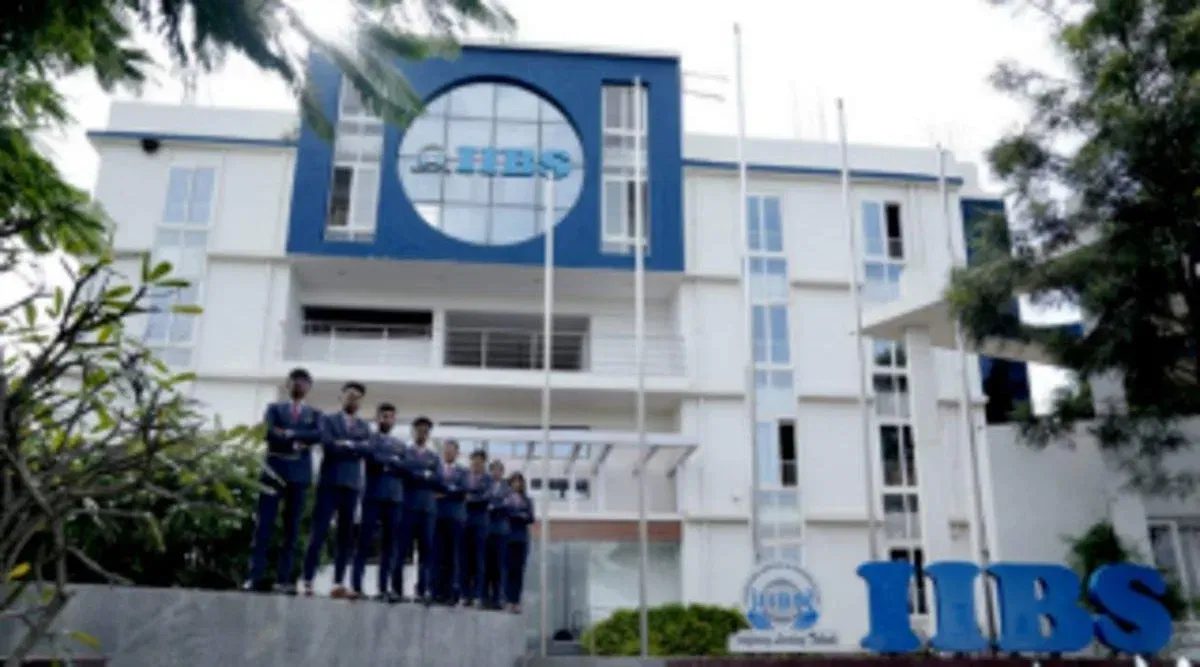
- IBS Hyderabad
- IIFT Delhi
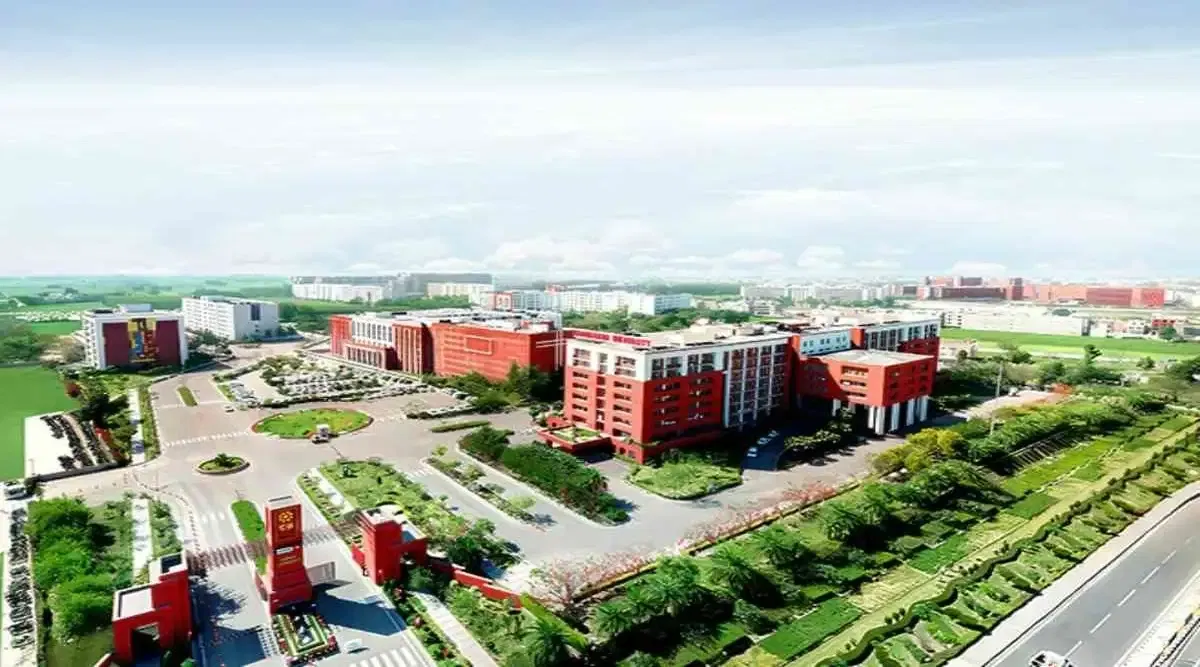
- Chandigarh University
- Jaipur University
- IIM Bangalore
- Amity University
- IIM Ahmedabad
Is MBA After a B Tech Worth it?
Every qualification has its significance in that MBA has its own added advantage. Adding up to qualification, it provides all the basic foundation required for the corporate world. Blending technical knowledge with management skills is the need of the hour. Doing MBA after B.Tech is the best option for the ones who are willing to establish your identity in this competitive world.











POST YOUR COMMENT