
With improvements in support and accessibility, the number of disabled students studying abroad is increasing. Here we have provided all the information required for students with disabilities to study abroad.

Table of Contents
- Can Students with Disabilities Study Abroad?
- How to Study abroad as a Student with a Disability?
- Students with Disabilities Abroad: Where to Study?
- How to Look for Accommodation?
- Study Abroad Scholarships for Students with Disabilities
- Whom should Students with Disabilities Contact for Assistance?
- What Medical Care is Required to Study Abroad?
- Checklist for Students with Disabilities Abroad
- It's Time to get Started
What do you think about students with disabiltiies abroad? There is no reason why a student with disability cannot pursue higher education abroad. In fact, the number of international students with disabilities is rising each year thanks to improvements in support and accessibility. Here we have provided detailed information on how a student with disability can study abroad.
Can Students with Disabilities Study Abroad?
The answer to this question is yes. Top study destinations provide excellent facilities and provisions for disabled students looking to pursue higher studies abroad. It is normal for students to face challenges while living and studying abroad, however that doesn’t stop them from using the resources around them to find solutions. Disabled students might need to make additional arrangements and take extra precautions to study abroad. As long as they are motivated and proactive, there is no looking back!
How to Study abroad as a Student with a Disability?
Preparing to pursue higher education abroad as a disabled students can be a challenging task. Don't worry as we have simplified the process by breaking it down into four stages:
Research
In general, you need to research thoroughly regarding counties, universities, courses, requirements, etc., to study abroad. Students with disabilities abroad can look for disability services webpages of the universities to narrow down their research. Institutes with detailed disability pages are likely to have measures in place to support all students that enroll, no matter their needs.
Application
After you find a suitable university, the next step is to apply. Several international universities provide a choice to declare any conditions, impairments, and disabilities. Students with disabilties abroad must be transparent about their needs so that institutions can make necessary changes and arrangements. Your personal information will be kept confidential by the university, so you need not worry about this aspect.
Acceptance
Once you accept the offer letter of the university abroad, communication in the key. Contact with the disability services available at the university, introduce yourself, briefly explain your condition, and provide any other details required. You might also be required to submit medical proof of your disability , so reach out to your doctor and get it at the earliest!
Arrival
Once you arrive to your study abroad destination, initially it might be overwhelming for you to make new friends, join societies, and find local tourist hotspots. However, there is no rush. Take things slowly as it is absolutely normal to adjust to new surroundings and culture. After you feel ready, speak to other disabled students about how they navigate student life abroad. They are a great source of assistance and information.
Students with Disabilities Abroad: Where to Study?
There are many supportive countries for international students with disabilities. Though most countries are taking measures to improve provisions for disabled students, the progress rate of each of these countries vary. Here we have provided a list of top countries for students with disabilities abroad:
- The UK: In the UK, universities are legally required to make campuses inclusive and accessible for all students. This involves modifying rules or practices, altering or removing physical barriers, and providing support services or devices.
- The USA: As per the Americans with Disabilities Act 1990, US universities and colleges must make reasonable adjustments for disabled students. This makes the US one of the most popular destinations for students with disabilties abroad.
- Australia and New Zealand: These progressive study destinations ensure that all individuals are protected from discrimination, and have arranged public amenities and facilities that are accessible to everyone.
- Germany: Germany has made considerable efforets towards becoming one of the most accessible countries in the world. Its capital, Berlin, was the 2013 winner of the Access City Award which celebrates a city’s attempts to make public spaces, infrastructure, and transportation more accessible.
- Scandinavia: Scandinavian countries like Norway, Denmark, and Sweden are also renowned for their endeavours to improve the accessibility of their cities for students with disabilities.
- Ecuador: It is a great choice for students with disabilties abroad. The country’s former Vice President had a disability and was committed to improving the country’s provisions for those facing similar challenges.
How to Look for Accommodation?
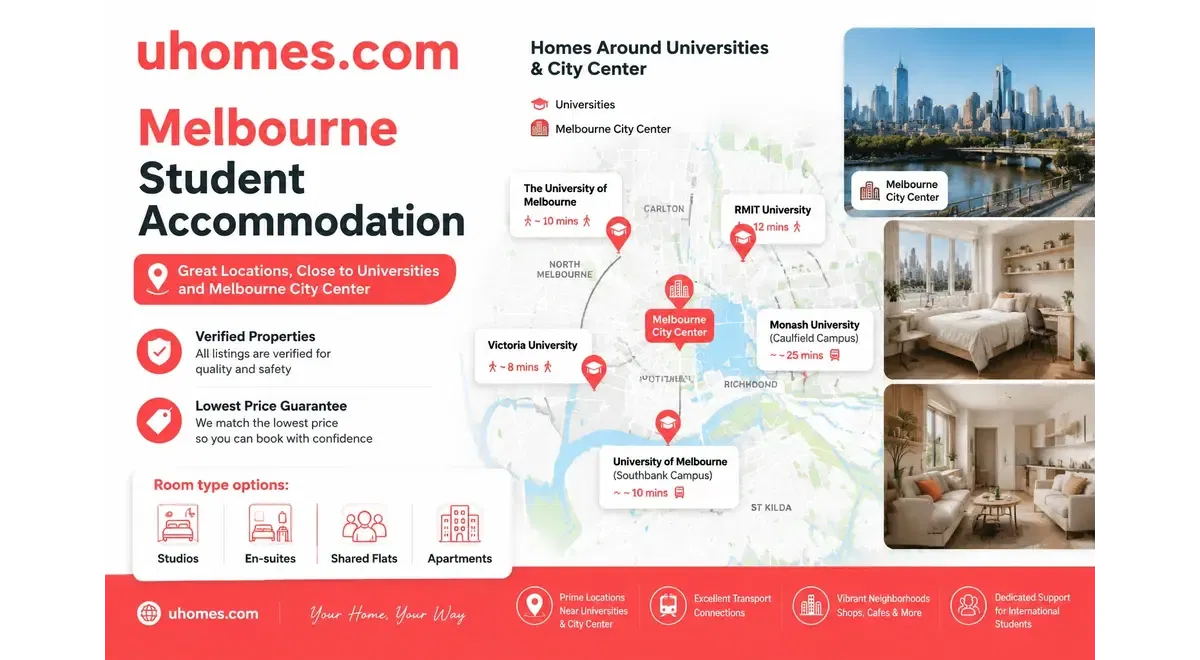
Once you choose the study abroad destination, next step should be to start finding an accommodation facility as earliest as possible. A majority of universities abroad have accommodation offices that work closely with the disability services. Some universities guarantee housing facilities for the first year of study, while others have dedicated accessible accommodation.
If you choose to stay off-campus, accessible accommodation can be very expensive. However, your university's accommodation and disability offices can offer assistance for approaching landlords and agencies considering their local knowledge and connections.
Some disabled students choose to live with a host family. Though this option might not be suitable for everyone, but it’s definitely worth looking into as it can be comparatively cheaper and more welcoming than renting private housing facility.
Study Abroad Scholarships for Students with Disabilities
A broad range of scholarship programs and schemes are offered by international universities. These scholarships are designed to cover additional expenses for disabled students. Though the availability of these opportunities differ from from country to another, here are the top scholarships that students with disabilities can apply for:
UK
- Disabled Students’ Allowance
- Snowden Trust grants
- British Council Scholarships
US
- AG Bell College Scholarship Program
- Microsoft Disability Scholarship
- Google Lime Scholarship Program
Europe
- Google Europe Scholarship for Students with Disabilities
Whom should Students with Disabilities Contact for Assistance?
Studying abroad in an enriching experience as students gain great exposure and develop new connections. As a student with disability, you must know whom to contact in case of any queries. Here are some of the contacts that can address your concerns:
- University disability office: They will ensure that your time at the university is safe, welcoming, and successful. They will be able to help you with any difficulty that you face as a result of your disability. In case they can't, they will surely put you in contact with someone who can.
- Lecturers and program staff: If you come across any challenge while studying your course, it is best to reach out directly to the teaching staff. They also have dedicated office hours, so you can speak to them separately.
- Local disability charities and organizations: They can provide assistance with any queries related your living area as they great local knowlege.
- National disability organizations: Each country has various organizations that support and raise awareness of different disabilities. They may be able to help you with counseling and mentoring.
- Fellow disabled students: They can actually empathize with the challenges that you are facing; hence, they can offer practical advice.
- Buddy: Some universities abroad have a buddying system. If you sign up for this service, you will be given the additional support required.
What Medical Care is Required to Study Abroad?
You should make sure that prescription medications that you take to manage your disability are available and legal in your host country. Medications such as painkillers, steroids, sedatives, and stimulants may be restricted in some countries. Following are the common medications that are banned or restricted in other countries:
- Sudafed
- Codeine
- Tramadol
- Benadryl
- Ritalin
- Adderall
- Diazepam
Checklist for Students with Disabilities Abroad
Studying abroad is a rewarding experience as it will help you grow both professionally and personally. Students with disabilities must consider the following things before embarking upon their study abroad journey:
- Convenient resources and infrastructure: Ensure that the university has the disability-friendly resources and infrastructure that you will require, such as wheelchair ramps, elevators, and braille textbooks.
- Existent accommodations: Research how the university currently assists other students with similar disabilities. Try to find any reviews written by former or current students with disabilities.
- Cultural norms: You must familiarize yourself with the attitudes of your host country towards disabled students and the terms used to address individuals with disabilities.
- Personal equipment: To make traveling easier, it might be worth buying a compact version of your equipment or arranging to hire it abroad. Taking your equipment for a maintenance check and packing a basic repair kit that includes spare parts is essential.
- Traveling: Make sure you attach handling instructions to any mobility equipment so it doesn’t get damaged. If you’re flying, check the airline operator's rules on packing batteries and oxygen cylinders. It’s best to make the airline aware of your needs before you travel so you receive the right support across your journey. Some operators may ask for evidence of your disability so remember to travel with your medical documentation.
- Disability legislation: Research disability rights and laws in your chosen location. Look into local disability groups and charities that may be able to support you once you arrive.
- Study Visa: You’ll need to get a visa to study abroad. Most student visas are granted on the basis that you’ll be in full-time study. If your disability means that you need to take on a reduced course load and study part-time, you may only be granted a visa for 12 months. You can apply for an extension but this process can take a few months to complete.
- Personal care assistants: If you receive personal care from a family member or friend, they may be eligible to apply for a different visa which would allow them to come with you.
- Medication: Some common medications are neither accessible nor legal in some countries. Check before you leave so you can organize an alternative.
- Medical insurance: You’ll need medical insurance if you want to study abroad. The cost and coverage of the insurance policy will depend on your disability.
- Transport: It’s important to make sure that you know how you’re going to get around once you arrive. Researching the kind of public transport available is a good start. If you’re planning on driving, make sure your disability is covered by the insurance policy. Look into getting a disabled parking permit if required.
It's Time to get Started
Once you've completed all your research and filled in the forms, you're ready to experience your study abroad journey. Don't let your disability get in the way of your dreams. Your study abroad experience will be more memorable if you are open and honest about your needs. Just follow the instructions and processes mentioned above and your are all ready to go!

















POST YOUR COMMENT