Primary education in India is divided in two stages, primary and upper primary. Students from I to VIII, aged 6 to 14 are acquiring elementary education, also known as Primary education.
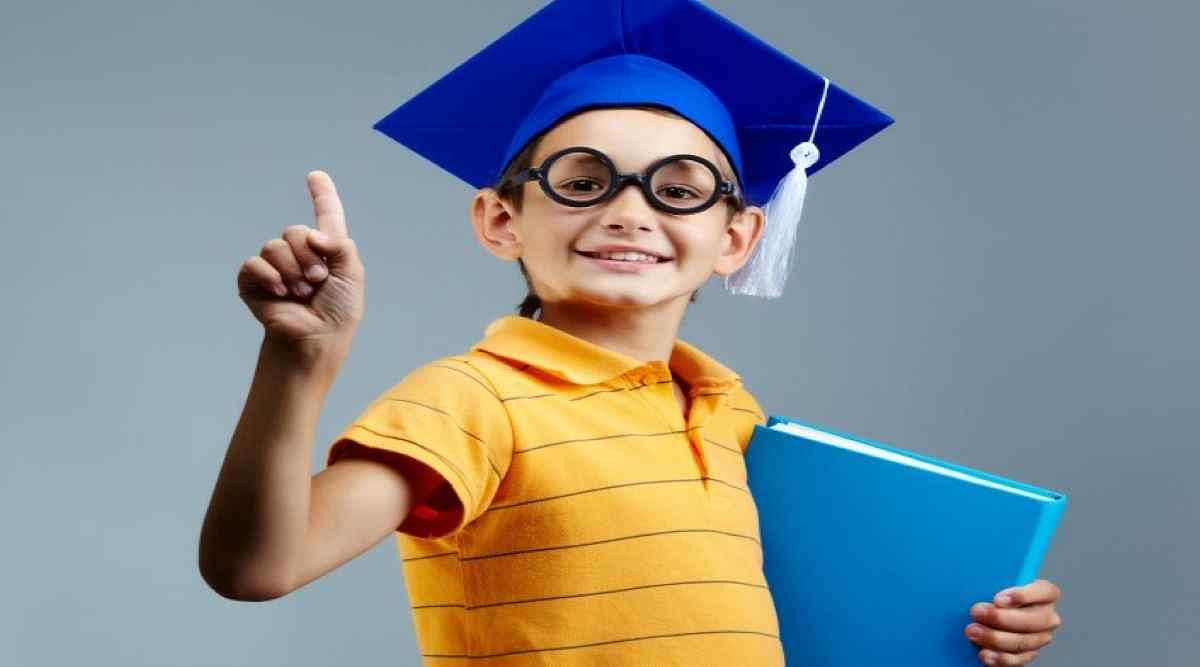
Table of Contents
Primary education is the first stage of formal education after preschools and kindergarten, before secondary school. Primary education in India 2026, or elementary education, lasts eight years. Children aged 6 to 14 years complete the following, in two stages: primary stage, grades I to V and upper primary stage, grades VI to VIII.
India has achieved significant progress in recent decades regarding access to schools and enrolment rates in primary education. Still, dropout rates and low levels of learning continue to be issued for state and central administrations. Nevertheless, primary school enrollment in India has been a success story, thanks mainly to different programs and drives to encourage participation even in rural areas.
The education system, or more precisely, the school system in India, is based on a hierarchy of pre-primary, primary, secondary, and senior secondary. This classification is based on the children's age group that falls into the categories. This article will focus on the state of affairs of elementary education in India.
Structure of Primary Education in India: Overview
Here is the primary structure of primary education in India:
| Particulars | Details |
| Duration | 5 years (Classes 1 to 5) |
| Age Group | 5 to 11 years |
| Curriculum |
|
| Language Mediums |
|
Key Government Initiatives and Policies for Primary Education in India
The Indian government has launched several transformative schemes to ensure inclusive, high-quality education for all. These initiatives focus on accessibility, nutrition, and holistic development.
1. Right to Education Act (RTE), 2009
This act makes education compulsory, free, and a fundamental right for all children aged 6 to 14. It ensures providing infrastructure standards, teacher-student ratio in Indian government schools, and helps curb mental or physical punishments.
2. Mid-Day Meal Scheme
This scheme is to provide school-going children with nutritious food items in government and aided schools. It is also aimed at encouraging school attendance.
3. Sarva Shiksha Abhiyan (SSA)
Launched in 2001, SSA aims to universalise elementary education through community-based approaches and decentralised planning.
What is Primary Education in India?
Primary education or elementary education is the first stage of formal education. The stage students enter after preschool or pre-primary education (offering early education to children before joining primary school) and before secondary school.
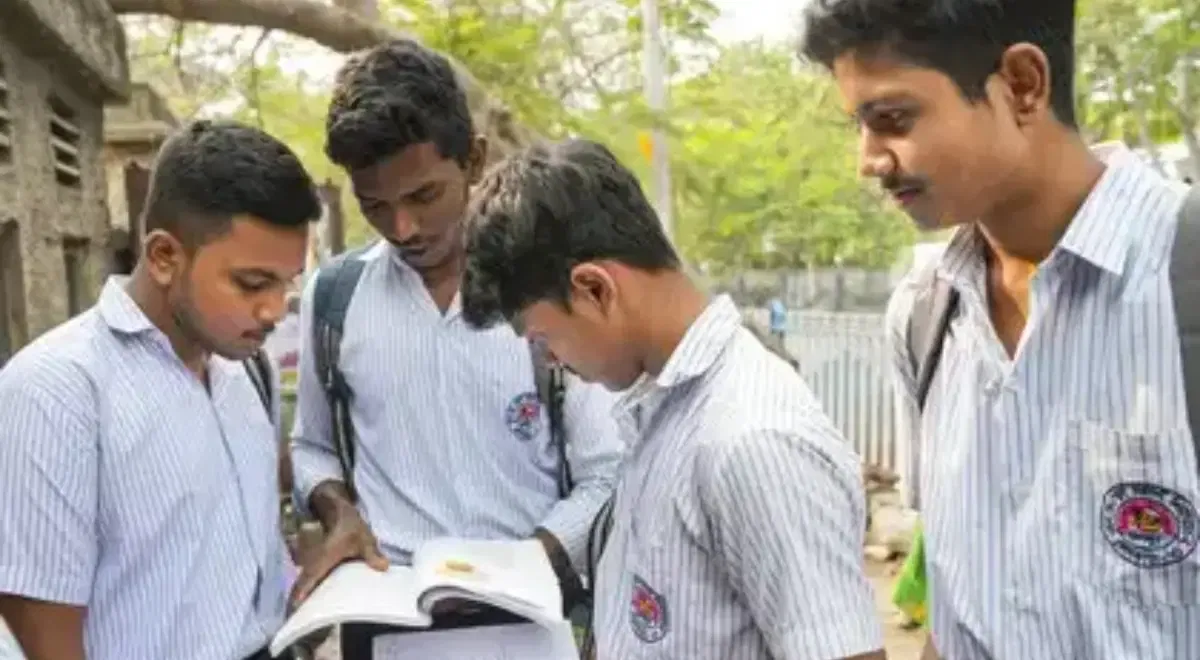
- The primary school level of education is further categorised into primary and upper primary, in which the children within the age groups 6-10 and 11-14 are placed, respectively.
- Lower primary refers to classes I to V, and upper primary, commonly referred to as middle school, refers to classes VI to VIII.
- 80% of the schools offering an elementary level of education are either run by the government or supported, making it the most extensive education provider in India.
- According to ISCED (International Standard Classification of Education), primary education was designed to give a basic education in reading, writing, mathematics, and an elementary understanding of other subjects.
Primary Schools in India
In 2011, it was noted that there were 5,816,673 primary school teachers within the country. However, rural India faced significant problems such as a proper school structure, well-trained professional teachers, chairs and tables for students, washrooms, and drinking water, which raised hygiene and safety concerns.
- Over the years, the number of schools has multiplied, and India has surpassed China to have the largest number of schools, even though both countries have a similar population.
- Many primary schools in India have fewer than 50 students enrolled. The majority of the schools in rural areas have fewer teachers managing more than the average number of students.
- There is also a shortage of well-trained professional teachers in these areas, resulting in a higher dropout rate and students' lack of attendance.
- Lack of good resources and infrastructure is also one of the concerns for students and teachers in schools.
What is the Current Status of the Primary Schools in India?
Improving learning will necessitate several changes, including increased teacher responsibility. According to school visits, teacher attendance in primary and middle schools is only 85%.
Increasing the time teachers spend on-task and increasing their responsibility for student learning is also needed. Better assessments at each grade level and more effective monitoring and support systems are also required as part of this process. Overall, the public school system needs a more effective general administration system.
In India, about 20% of children who come in the age group of 6 to 14 are out of the enrollment ratio, and the children who have been enrolled are lack attendance in schools. According to an estimate, around 26% of children tend to drop out before standard 5. The state of affairs for primary education in India is grim in states like Rajasthan and Bihar.
What are the Obstacles to Primary Education in India?
There are many reasons for the ongoing situation in the Primary education in India, and these can be understood by addressing the obstacles:
- In India, a large population lives below the poverty line, contributing primarily to the problem.
- Many schools are yet to be made in the rural sector, and the schools available in the urban areas are sometimes a burden for the parents as the busy roads and traffic make the parents not risk their kids' lives.
- The conditions of schools in rural areas are another example of the poor functioning of the primary sector.
- The education system is another constraint to primary education in India. The education given to children or teenagers does not reflect the work environment. This is why parents prefer to send their children to be an apprentice under someone and learn a craft to make a living in the future.
- Caste discrimination is another reason for the large deficit in primary education in India.
- Allowance of child labour is another obstacle to primary education.
- Teachers lack motivation and training.
Changes in the Elementary Education System in India
The government has undertaken several measures to resolve the problems and enhance the education received by students in primary school. The authorities started the District Education Revitalisation Programme (DERP) in 1994 to reform and vitalise existing Primary education in India.
- India's central government-managed 85% of the DERP, while the respective states controlled the remaining 15%. It led to 1.6 lakh schools within the country, where 84,000 schools offered alternative education to 35 lakh students.
- The authorities enacted the Right to Education(RTE) within India's constitution on the 4th of August 2009, which stressed the importance of providing free and compulsory education for children between 6 to 14.
- In 2016, Kerala became the first state to have achieved 100% literacy in the elementary education in India level of study. It was attained after the government had set up its literacy program called Athulyam.
- The complete change of government schools in India by the government of Delhi is another significant achievement in the sphere of primary education in India.
Over time, the government incorporated several schemes such as:
- Sarva Shiksha Abhiyan is currently one of the largest initiatives in the educational sector in the world.
- Midday meal scheme.
- Schemes for infrastructure development for minority institutes.
Due to the lack of girls in schools, the government has also introduced various schemes as given below to encourage girl children to receive an education:
- Beti Bachao, Beti Padhao
- The national program for the education of girls at elementary education:
- Kasturba Gandhi Balika Vidhyalaya
The government took these steps and implemented them by both the government and various NGOs so that no child lacks the fundamental right to education.


POST YOUR COMMENT