
Explore why Chandigarh University is a top choice for Electrical Engineering in India. Learn about career opportunities, labs, placements, scholarships, and emerging tech trends.
The future is electric—and it's arriving faster than ever. As the world shifts towards clean energy, electric vehicles, and intelligent infrastructure, the demand for skilled electrical engineers is growing rapidly. From building smart homes and solar grids to driving innovations in EVs and automation, electrical engineers are shaping tomorrow’s world.
If you’re someone who loves exploring gadgets, understanding how systems work, and solving real-world problems, Electrical Engineering could be the ideal path for you. And when it comes to the best place to start this journey, Chandigarh University (CU) offers an edge like no other. This article walks you through the scope of electrical engineering, its real-world impact, and why CU is one of India’s premier choices for aspiring engineers.
What is Electrical Engineering?
Electrical Engineering focuses on the study, design, and application of systems involving electricity, electronics, and electromagnetism. It spans various domains like:
-
Power systems
-
Control systems
-
Signal processing
-
Telecommunications
-
Microelectronics
From high-voltage power lines to microchips in smartphones, electrical engineers power nearly every aspect of modern life. It’s a dynamic field with endless innovation and flexibility, making it a rewarding and exciting career option.
Electrical vs. Electronics Engineering – What's the Difference?
A common question among students: What sets electrical and electronics engineering apart?
-
Electrical Engineering: Deals with high-voltage systems like transformers, generators, and power distribution.
-
Electronics Engineering: Focuses on low-voltage systems like microcontrollers, semiconductors, and digital devices.
At CU, the curriculum blends both fields, allowing students to explore interdisciplinary specializations and career paths.
Why Electrical Engineers Matter
Electrical Engineering plays a vital role in almost every industry:
-
Foundation of Modern Technology: From smartphones to medical devices, electrical engineers create what we rely on daily.
-
Innovation Leaders: Driving progress in AI, IoT, automation, and robotics.
-
Sustainable Development: Leading the shift to renewable energy with solar panels, wind turbines, and smart grids.
-
Healthcare Advancements: Designing diagnostic tools, life-saving machines, and patient-monitoring systems.
-
Smart Cities: Enabling intelligent infrastructure, transportation, and digital connectivity.
Industries Hiring Electrical Engineers
Electrical engineers are in high demand across various industries, including:
-
Power Generation & Distribution
-
Telecommunications
-
Consumer Electronics
-
Industrial Automation
-
Transportation (including EVs)
-
Healthcare Tech
-
Renewable Energy
-
Software & Embedded Systems
This high demand is fueled by continuous tech growth, automation, and the global push toward digital infrastructure.
Why Choose Electrical Engineering at Chandigarh University?
CU stands out for its modern curriculum, global exposure, and strong industry ties.
Highlights:
-
Ranked #32 in Engineering (NIRF 2024)
-
ABET & NBA Accredited
-
Ranked 2nd for Engineering & Technology among private Indian universities (QS World Rankings 2025)
-
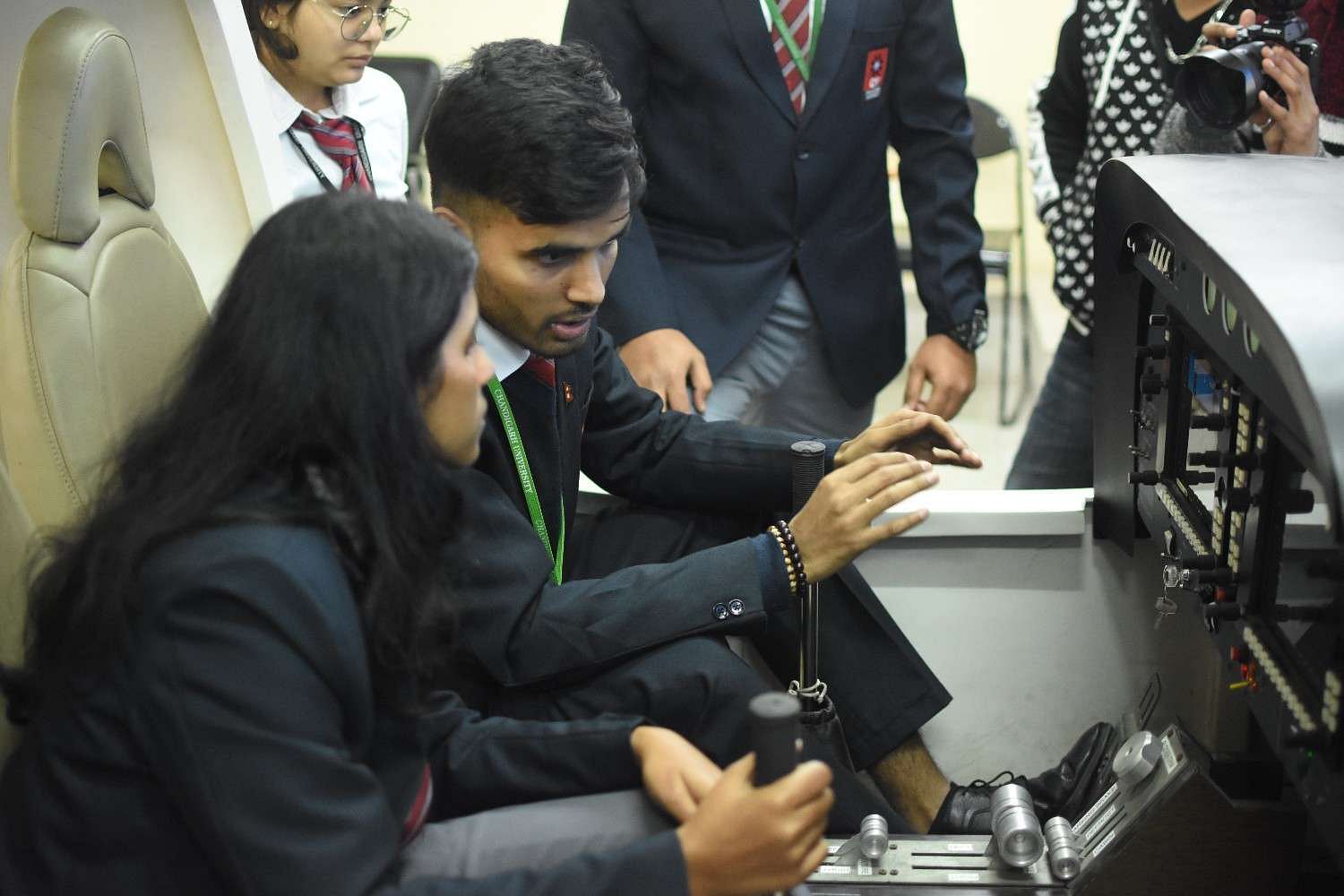
State-of-the-art Labs: Smart Grid, EV, High Voltage
-
Global Internships: Opportunities in Japan, Germany, and the USA
-
90%+ Placement Rate
-
Top Recruiters: Tata Power, Siemens, ABB, NTPC
CU offers hands-on learning, live projects, and industry-led internships for real-world readiness.
Emerging Trends in Electrical Engineering
CU helps students stay ahead with specializations in:
-
Smart Grids & Real-Time Power Systems
-
AI & ML for Predictive Maintenance
-
Electric Mobility & Smart Transportation
-
Wireless Power Transfer
-
Sustainable Energy Technologies
These courses prepare students for the future of engineering and innovation.
Lab Facilities at CU
CU offers cutting-edge labs to provide practical exposure:
-
AR/VR Lab – Simulate systems in 3D environments
-
Red Hat Lab – Training in Linux, Ansible, and automation tools
-
Automation Lab – Practical learning using Python, UiPath
-
Cloud & Microsoft Azure Lab – Build cloud-connected energy systems
-
Linux Administration Lab – Master Linux commands for system operations
Career Paths After Electrical Engineering
CU graduates pursue top careers in both the public and private sectors.
Private Sector:
-
Electrical Design Engineer
-
Automation Engineer
-
Embedded Systems Developer
-
Control Systems Engineer
-
Power System Analyst
Public Sector:
-
State Electricity Boards
-
PSUs like BHEL, NTPC, DRDO, ISRO
-
GATE and UPSC roles
CU also provides coaching for GATE and interview preparation.
Admissions & Eligibility
-
Eligibility: 10+2 with Physics, Mathematics, and one optional science subject (min 50%)
-
Duration: 4 years (8 semesters)
-
Semester Fee: ₹1,14,500
-
Application:
-
Apply at apply.cuchd.in
-
Take CUCET or submit JEE Main score
-
Attend counseling and confirm admission
-
Scholarships
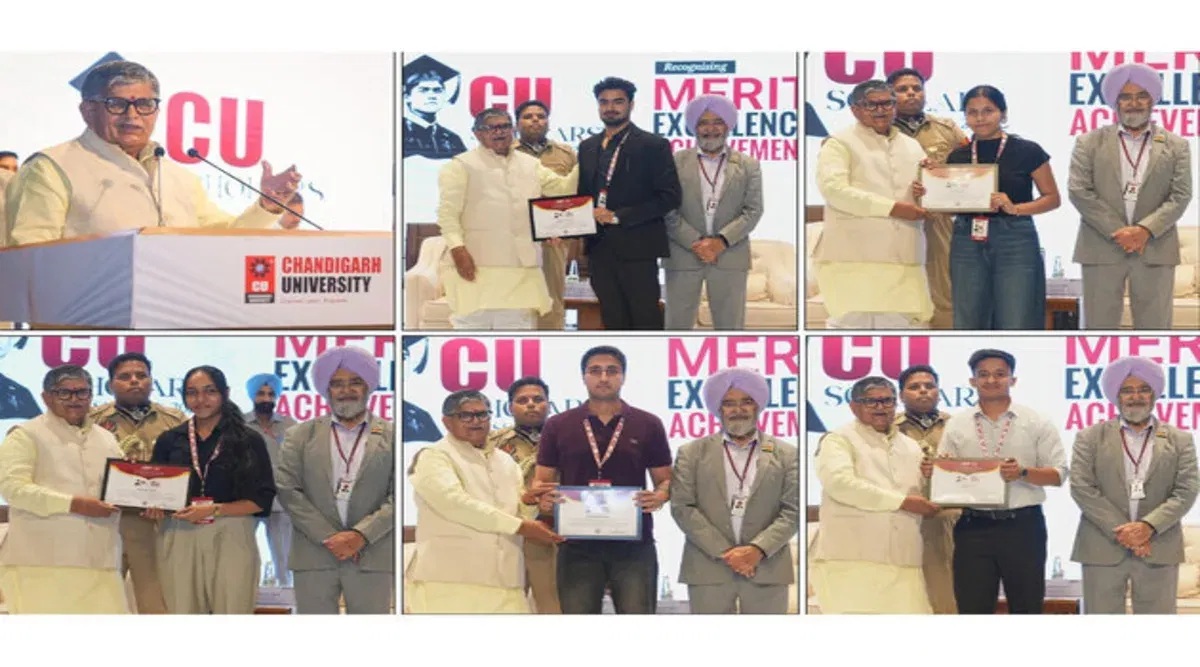
CU offers scholarships worth ₹170 Cr through CUCET 2025, making quality education accessible to all.
Final Verdict: Is CU Good for Electrical Engineering?
Absolutely! With a future-ready curriculum, advanced labs, top placements, and strong global ties, CU equips students for success in a rapidly evolving industry. Whether you want to innovate in smart tech, renewable energy, or automation, CU is the launchpad for your dream career.
Ready to begin your journey?
Apply today at apply.cuchd.in or call +91-160-3051003 to connect with an admissions counselor.






























POST YOUR COMMENT