Compare the best B.Des Fashion Design colleges in Lucknow 2026 — fees, eligibility, admission, and career scope explained.
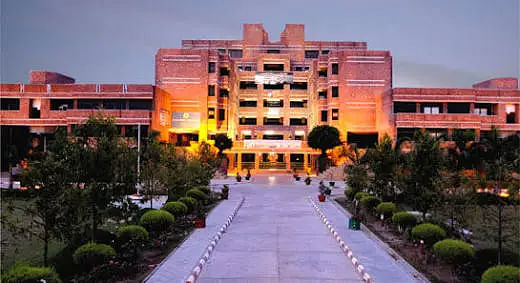
Every finished garment starts as a rough idea sketched on paper. The distance between that sketch and a rack of clothes people actually buy is where a fashion designer earns their place. Lucknow, long known for the delicate needlework of Chikankari, has become a genuine option for students who want to build a career closing that distance. Analysts expect the global fashion technology market to reach USD 345 billion by 2030, growing at roughly 6.3% a year, largely due to AI-driven design software and virtual fitting tools. Brands are no longer looking only for designers who can draw a beautiful silhouette on paper. They want people who can move between a physical pattern table and design software, and Lucknow's colleges are starting to build their courses around this combination. Chandigarh University, Uttar Pradesh (CU-UP), located on the Lucknow-Kanpur Highway in Unnao, has built its Fashion Design programme around this shift toward AI-assisted design. This article covers the leading B.Des Fashion Design colleges in and around Lucknow.
B.Des Fashion Design in Lucknow: Course Snapshot
| Parameter | Details |
|---|---|
| Course Length | 4 Years (Undergraduate) |
| Subjects Covered | Fashion Illustration, Textile & Fabric Science, Draping & Pattern Cutting, Fashion Marketing, Digital Design Software |
| Best Private University for B.Des (Fashion & Design) | Chandigarh University, Uttar Pradesh (CU-UP), Unnao |
| Other Private Options | Amity University, Asma Hussain Institute of Fashion Technology (Lucknow) |
| Best Government Option for B.Des (Fashion & Design) | Government Girls Polytechnic, Lucknow |
| Admission Routes | CUCET, individual college entrance tests, JEECUP for polytechnics |
| Basic Eligibility | Class 12 pass from a recognised board, roughly 50% aggregate |
| Newer Tools on the Curriculum (CU-UP) | CLO 3D, Tukatech, GAN-based design software, virtual try-on systems |
| Typical Job Titles | Fashion Designer, Garment Technologist, Fashion Data Designer, AI-Fashion Product Developer |
Colleges Offering B.Des Fashion Design in Lucknow, UP
Private Colleges
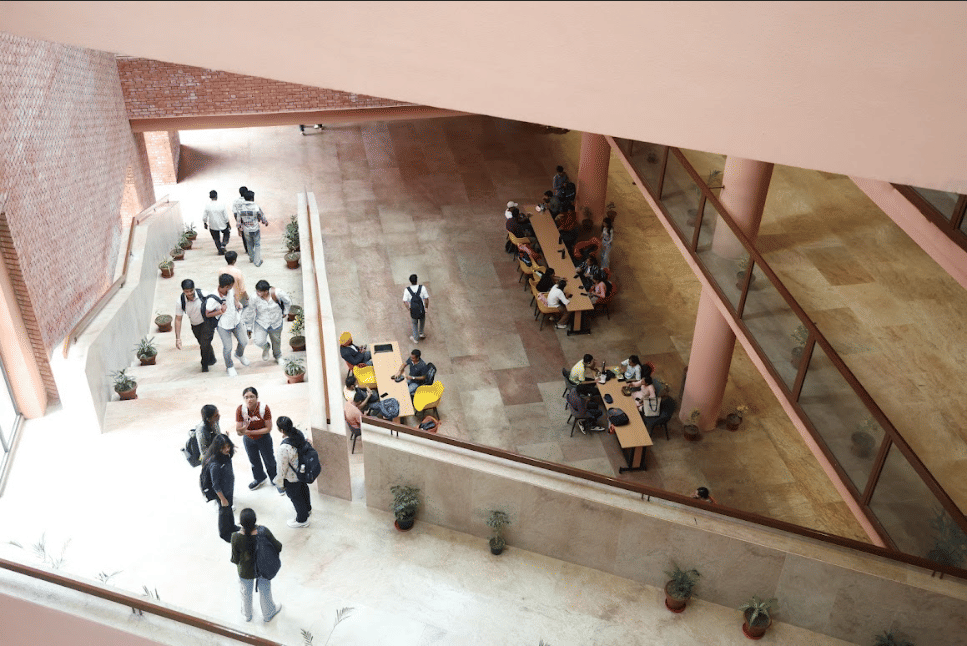
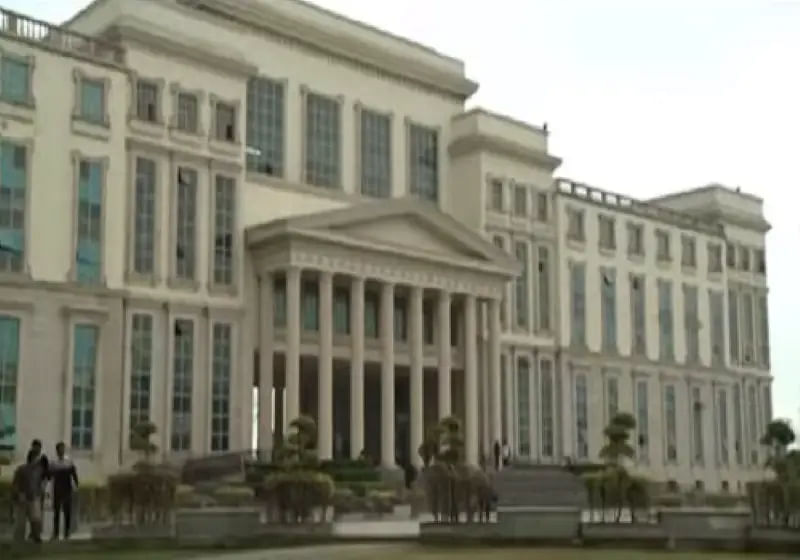
- Chandigarh University, Uttar Pradesh (CU-UP) runs fashion labs alongside brand partnerships to support skill development for students.
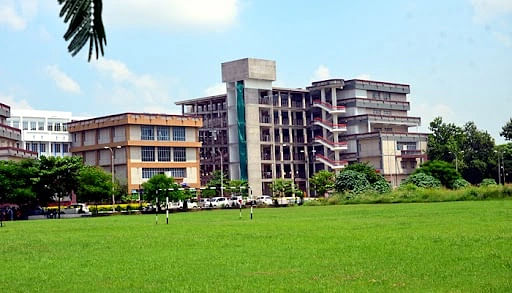
- Amity University, Lucknow is a well-established name running its programme through the Amity School of Fashion Technology.
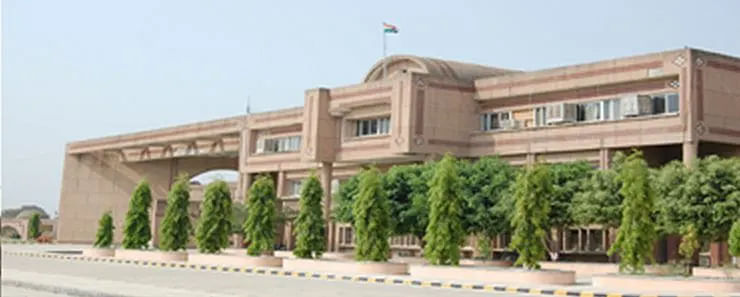
- Asma Hussain Institute of Fashion Technology, Lucknow is a Hazratganj-based institute that has been training designers since 1995.
Government College
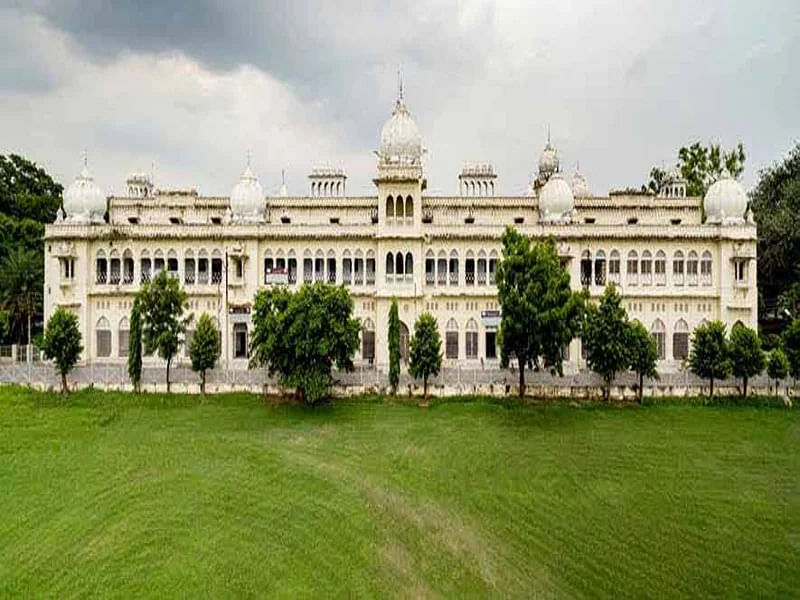
- Government Girls Polytechnic, Lucknow offers a budget-friendly government route into design education, operating since 1963.
What the B.Des Fashion Design Degree Covers
A Bachelor of Design in Fashion Design runs for four years and takes a student from creative instinct to a working, market-ready designer. Coursework typically covers fashion illustration, textile science, draping, garment construction, and fashion marketing, building both the artistic eye and the practical know-how the trade requires. Colleges weaving digital tools and AI-assisted workflows into this mix are keeping pace with a design floor that now runs on software as well as a sewing machine. By graduation, students should have a portfolio that can open doors at design houses, retail brands, or their own label.
Admission Process for B.Des Fashion Design
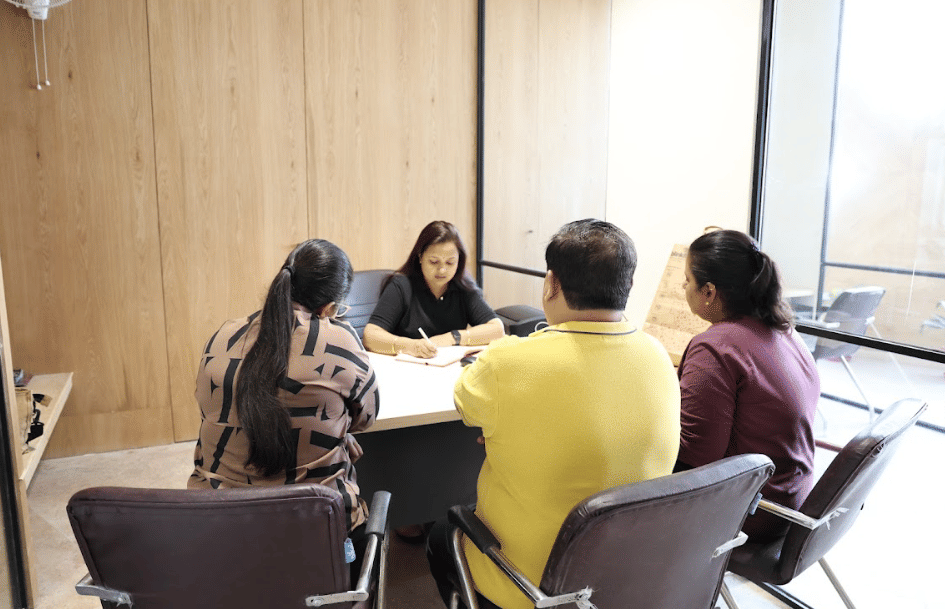
The path into a B.Des Fashion Design seat in Lucknow follows a fairly predictable shape, with some differences depending on the college. Academic requirement: A Class 12 pass from a recognised board in any stream, generally with a minimum of around 50% marks overall. Entrance test: Government polytechnics, including Government Girls Polytechnic, Lucknow, admit students through JEECUP. Private universities run their own entrance process; CU-UP admits through CUCET. Scholarship opportunities: Merit-linked scholarships based on entrance scores are common at private universities and can reduce the overall cost for high scorers. At Chandigarh University, Uttar Pradesh, students can avail a scholarship of up to 100% on their tuition fees.
Career Scope and Salary in Fashion Design
Fashion has always rewarded a strong creative instinct, but technical skill now carries equal weight. As brands lean into AI-driven design and virtual try-on tools, new job categories are opening up between design studios and data teams, roles that did not exist a decade ago. Fresh graduates with a decent portfolio and some AI-tool exposure typically start above INR 4 lakh a year, depending on their skill set, rising to INR 10-15 lakh with a few years of experience. Specialists in tech-heavy roles can cross INR 20 lakh. Trend forecasting, once based purely on instinct, now uses models trained on thousands of past collections. Garments that once took weeks to prototype by hand can now be tested virtually before any fabric is cut. Graduates who learn these tools as part of their core training, rather than picking them up later on the job, enter interviews with an advantage over designers trained in traditional methods alone.
What to Check Before Shortlisting a College
Before choosing a college, it helps to check the following points beyond the prospectus:
- Real brand connections: Does the college have documented partnerships with fashion labels, or is industry exposure limited to occasional guest lectures?
- AI tools exposure: Do students get sustained practice on tools such as CLO 3D and Tukatech, or is the software mentioned once and never used again?
- Structured internships: Is the internship a built-in, mandatory part of the course, or something students must arrange on their own?
- Range of specialisations: Does the syllabus go beyond classic garment design to cover trend forecasting, virtual fitting, or sustainable fashion?
- Proof of placement: Does the college name specific recruiting brands and job roles, or rely on general claims about placement support?
Best Colleges for B.Des Fashion Design in Lucknow
Chandigarh University, Uttar Pradesh (CU-UP)
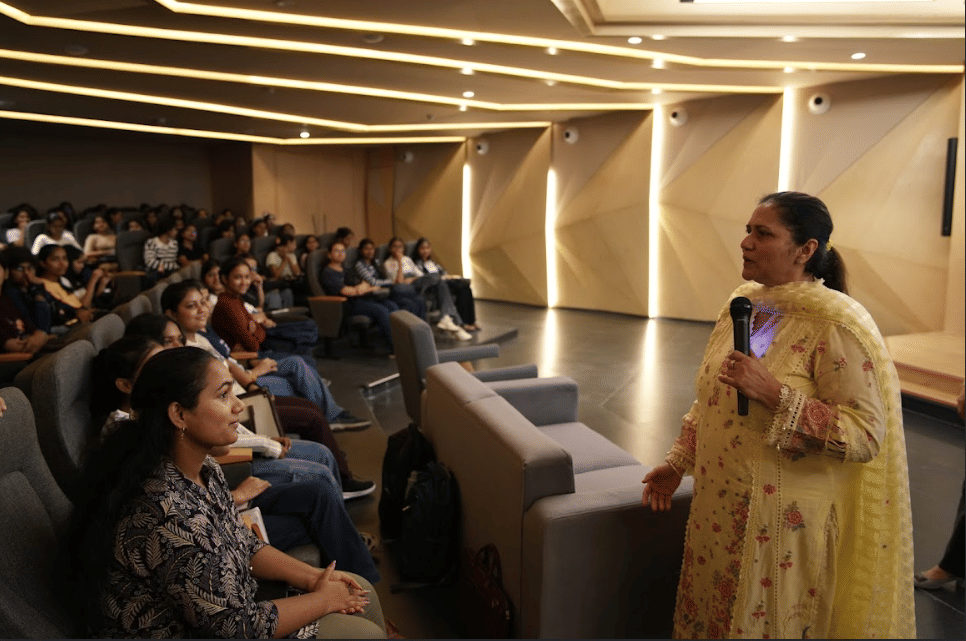
CU-UP treats fashion as a discipline that combines creative and technical skills, encouraging students to think about silhouette and fabric behaviour algorithmically while still building traditional skills such as patternmaking and draping. AI makes up close to 20% of the coursework, covering generative design, trend analytics, and virtual try-on technology, so a student's sketch can become an AI-generated garment prototype rather than staying a flat drawing. The programme runs three specialisation tracks: Generative Fashion, Virtual Fashion & Wearable Technology, and Retail Intelligence Systems. These are supported by an AI Fashion Studio with GAN workstations, body-scan imaging pods, a digital loom, and a VR-based virtual ramp for showcasing student work. Two mandatory Summer Industrial Trainings plus a six-month internship give students structured time inside the industry. Capstone projects ask students to build tools such as a style-compatibility engine or a text-to-silhouette tool.
| Programme Highlights | Details |
|---|---|
| AI Woven Into Coursework | 20% of the curriculum: generative design, trend analytics, virtual try-ons |
| Direct Learning Share | 25-30%: live projects, expert-led sessions, workshops, internships |
| Specialisation Tracks | Generative Fashion, Virtual Fashion & Wearable Technology, Retail Intelligence Systems |
| Brand Exposure | Raymond, Zara, Vero Moda, Reliance, Tommy Hilfiger |
| Internship Setup | Two mandatory Summer Industrial Trainings plus a six-month internship |
| Admission Route | CUCET (Chandigarh University Common Entrance Test) |
| Scholarship | Merit-based, up to 100% tuition waiver on CUCET score |
| Education Loan | Available at CU-UP |
Tools and labs at CU-UP's AI Fashion Studio:
| Tool / Lab | Purpose |
|---|---|
| CLO 3D & Tukatech | Digital pattern-making and 3D garment simulation |
| GAN Workstations | Generating silhouette ideas and testing print or detail variations |
| Virtual Try-On Systems | Modelling how a garment fits digitally before it is stitched |
| Body-Scan Imaging Pods | Building digital avatars for accurate fit prediction |
| VR Virtual Ramp | Running simulated runway shows for capstone collections |
Where CU-UP graduates go: Fashion Designer, Garment Technologist, 3D Garment Designer, Fashion Data Designer, AI-Fashion Product Developer, Digital Fashion Illustrator, E-Commerce Personalisation Architect.
Amity University, Lucknow
Run through the Amity School of Fashion Technology, this programme covers fashion illustration, textile basics, garment construction, and fashion history within a structured four-year plan. The first non-sponsored semester starts near INR 89,000, with total costs building up across the remaining years. Entry requires a Class 12 pass along with the university's own selection process.
Asma Hussain Institute of Fashion Technology, Lucknow
Set in Hazratganj, this institute has trained fashion designers since 1995, making it one of the established names in the city's design education circuit. Its B.Des in Fashion Designing runs alongside diploma and certificate courses, taught through a studio-first, hands-on approach. It is worth checking current fee details directly with the institute, since figures across different sources do not always match.
Government Girls Polytechnic, Lucknow
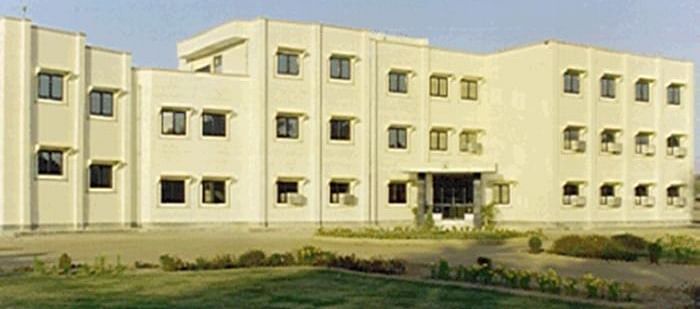
Students looking for a government-backed, lower-cost route into fashion education have had Government Girls Polytechnic as an option since 1963. The institute runs diploma-level courses and design degree pathways, with admission through JEECUP, and remains one of the more affordable routes into the field.
Side-by-Side Comparison
| College | Type | AI/Tech Focus | Ideal For |
|---|---|---|---|
| Chandigarh University, UP | Private | Strong: AI Fashion Studio, GAN workstations, virtual try-on labs | Students seeking an AI-forward programme with brand ties |
| Amity University, Lucknow | Private | Standard software, limited AI focus | Students who want a well-established, structured curriculum |
| Asma Hussain Institute of Fashion Technology | Private | Standard, studio-based training | Students wanting a specialised, long-running fashion school |
| Government Girls Polytechnic | Government | Limited | Students seeking an affordable, government-backed start |
Fees and Eligibility at a Glance
| Parameter | Details |
|---|---|
| Minimum Academic Requirement | Class 12 pass, any stream |
| Minimum Marks | Roughly 50% aggregate, with small variation by college |
| Government Route | JEECUP (for polytechnic programmes) |
| Private Routes | CUCET (CU-UP), individual entrance tests and portfolio reviews |
| Senior / Specialist Roles | INR 20-30 LPA in tech-driven or senior design positions |
Frequently Asked Questions
What does the B.Des Fashion Design programme cover?
It is a four-year undergraduate course covering fashion illustration, textile science, pattern making, and, increasingly, digital and AI-assisted design tools. It prepares students to design, construct, and market garments across both traditional and technology-driven roles.
Who is eligible to apply for B.Des Fashion Design?
Anyone who has completed Class 12 in any stream from a recognised board, generally with around 50% aggregate marks, and who registers for the relevant entrance exam.
How does the admission process work?
Government polytechnics admit students through JEECUP, while private universities run their own entrance process. At CU-UP, that route is CUCET: students register, sit the test, and submit their application with supporting documents once results are out.
Can students get a scholarship for this programme?
Yes, most private universities offer merit-based scholarships linked to entrance performance. At CU-UP, students can unlock a tuition waiver of up to 100% through their CUCET score.
What kind of hands-on training does the programme include?
Students can expect live projects, sessions with working professionals, design workshops, and structured studio time. At CU-UP, this practical component runs at roughly 25-30% of the total course, supported by an AI Fashion Studio with GAN workstations and body-scanning tools. Is an internship part of the course?
Yes, internships are standard across most Lucknow fashion programmes. CU-UP includes two mandatory Summer Industrial Trainings along with a six-month industry internship as part of the course structure.
What skills does a student walk away with?
Pattern making, draping, textile knowledge, illustration, and trend forecasting form the core skill set. Programmes with heavier AI integration, such as CU-UP's, add generative design, virtual try-on technology, and algorithmic trend reading.
What sets CU-UP's programme apart from other universities?
CU-UP has built its curriculum around AI integration, including an AI Fashion Studio with GAN workstations and body-scanning pods, along with named specialisation tracks in Generative Fashion and Virtual Fashion & Wearable Technology.
Does CU-UP help students with placements?
Yes. Industry exposure at Chandigarh University, Uttar Pradesh, creates a direct line from internships, alongside entrepreneurship and professional skills training built into the course. The university also has an incubation centre for students pursuing their own ventures.
What jobs can a graduate expect after this programme?
Graduates typically move into roles such as Fashion Designer, Garment Technologist, 3D Garment Designer, Fashion Data Designer, AI-Fashion Product Developer, and E-Commerce Personalisation Architect, across design houses, retail brands, and independent labels.
What kind of salary can a graduate expect?
Starting salaries for a fresh B.Des (Fashion & Design) graduate usually begin from INR 4 lakh a year, depending on the skill set acquired. Programmes offering strong industry exposure and AI training tend to lead to higher starting salaries.
Which brands hire fresh graduates?
CU-UP's network gives graduates access to both retail and luxury fashion employers.
What are the best-paying roles after this degree?
Senior positions such as Creative Director or experienced Fashion Designer can command INR 12-30 lakh a year, while newer, tech-driven roles such as AI-Fashion Product Developer and E-Commerce Personalisation Architect are becoming more lucrative as AI reshapes hiring in the creative industry.
Conclusion
A sketchbook full of ideas is only worth something once it turns into clothes people actually want to buy. Lucknow now offers students a range of colleges built to make that leap happen. Government options such as Government Girls Polytechnic offer an affordable starting point, and long-running private names such as Amity and Asma Hussain Institute bring decades of hands-on teaching. For students looking for a fashion education built around AI-assisted design, virtual fitting, and direct brand partnerships, Chandigarh University, Uttar Pradesh, is ahead of the field.