Chandigarh University, Uttar Pradesh, hosted a one-day conclave on “Media Responsibility in the AI Age,” featuring experts who discussed AI’s impact on journalism, ethical media practices, and the need for human oversight in the digital era.
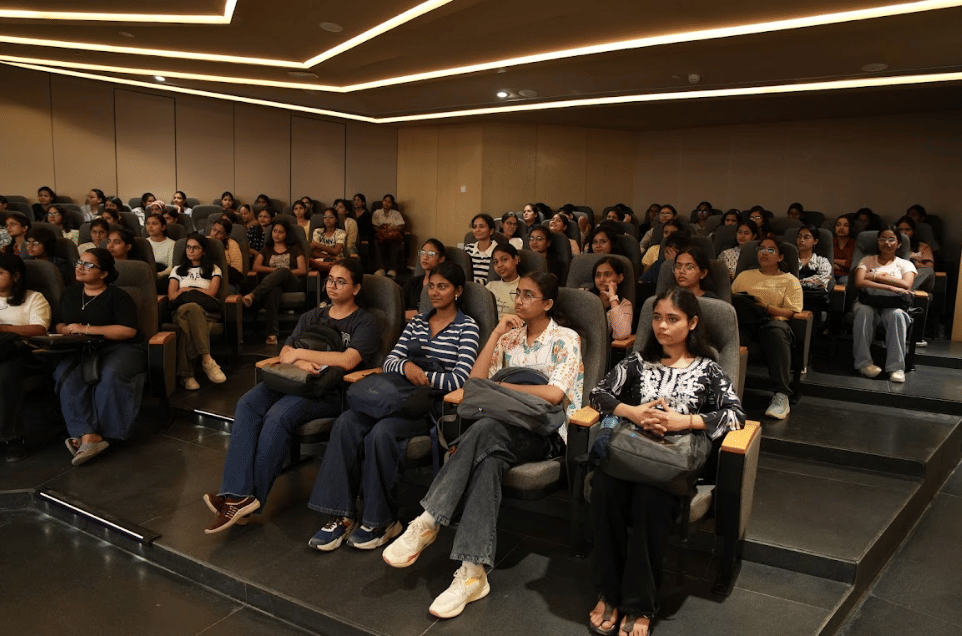
In light of the evolving role of Artificial Intelligence in modern communication, the School of Media Studies at Chandigarh University, Uttar Pradesh, recently hosted a thought-provoking, interactive conclave titled “Media Responsibility in the AI Age.” The one-day event brought together faculty members from various academic disciplines to engage in meaningful discussion and explore the implications of AI on the media landscape.
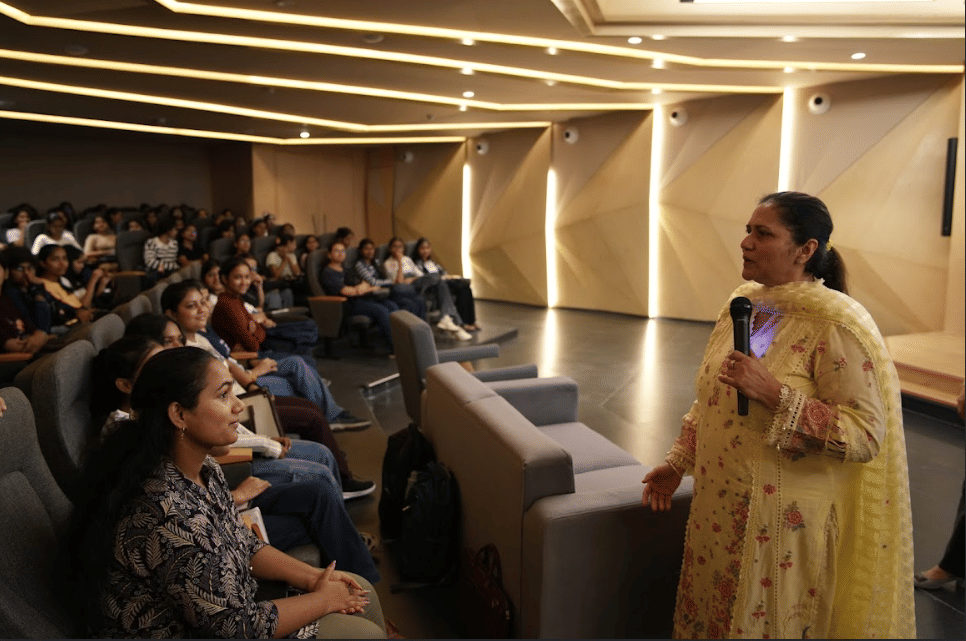
The keynote address was delivered by Prof. Sanjeev Ratna Singh, a distinguished Digital Broadcast Expert and prolific author. He highlighted both the potential advantages and significant challenges posed by AI in the media industry. Prof. Singh emphasized the importance of using AI judiciously and responsibly, sharing insights on the urgency of transformation to preserve journalistic integrity. He also discussed concerns surrounding job displacement due to AI and cited Singapore's success in reskilling older workers as a model to consider. While acknowledging AI’s ability to boost efficiency and productivity, he firmly stated that human oversight remains crucial to prevent AI from overtaking key functions in media unnoticed.
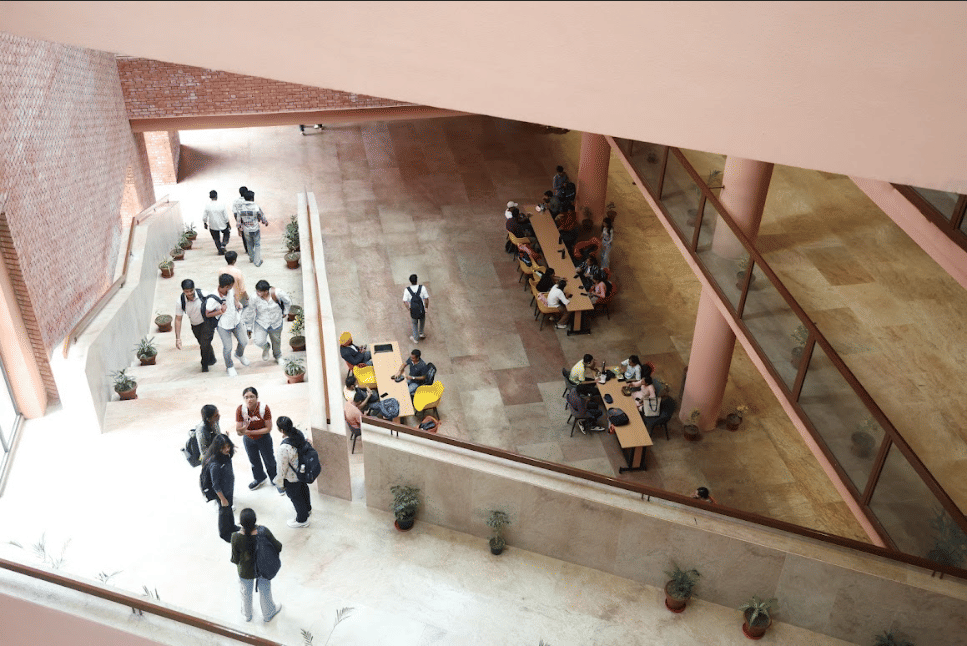
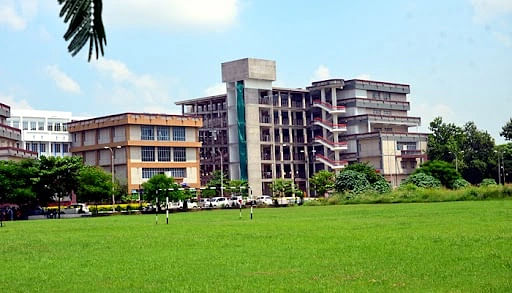
Prof. Sudhir Mishra, Resident Editor at Navbharat Times, Lucknow, also addressed the gathering. He commended the university for fostering a vibrant academic culture and providing modern infrastructure that supports student career development. Drawing from his own professional experiences, he engaged the audience with real-world examples, stressing that technological shifts are deeply connected to broader socio-historical changes, especially in the Indian context where reskilling is essential for many to stay relevant.
A recurring theme throughout the conclave was the importance of human involvement in AI-integrated media workflows. The event underscored the School of Media Studies' commitment to producing ethically grounded and socially responsible journalists, equipped with a modernized curriculum that reflects current media demands.
Dr. Thipendra P. Singh, Pro Vice Chancellor of Chandigarh University, Uttar Pradesh, delivered a compelling presentation on the urgent need to detect and counter deepfakes. He also advocated for the transition of traditional print media to digital platforms, aligning with contemporary consumption trends.
The School’s BA (Hons.) Journalism and Mass Communication (JMC) program reflects these priorities. It is designed to cultivate innovative leaders, entrepreneurs, and globally conscious citizens, focusing on collaboration between human and artificial intelligence. The curriculum aims to instill strong ethical values and a commitment to fair, democratic journalism.
Concluding the conclave, Dr. Om Prakash Dwivedi, Director of the Faculty of Humanities & Liberal Arts, shared the overarching vision of Chandigarh University’s AI-enabled Media Studies department. He raised concerns over the shrinking space for diverse voices and viewpoints, highlighting the critical need to preserve public discourse that represents all segments of society. He reiterated the media’s role in upholding and protecting this inclusive dialogue.
By bringing together leading academics and industry veterans, the conclave highlighted Chandigarh University’s dedication to delivering a progressive, inclusive, and future-ready education in media and communication.