Explore the B.Des in Communication Design at DPUSOD, where students learn visual storytelling, branding, UI/UX, and strategy through studio-driven, industry-focused design education.
Communication Design at DPUSOD: Where Ideas Speak Loudest
In a world overflowing with content, the true challenge is no longer speaking; it is being heard. Every logo, interface, poster, and digital experience we interact with daily is a product of thoughtful communication design. It shapes perceptions, influences decisions, and tells stories without saying a word. At D.Y. Patil School of Design, Communication Design is not just a discipline; it is a powerful medium where creativity meets strategy, and ideas are transformed into meaningful impact.
Designed for curious minds, visual storytellers, and future-ready creators, the B.Des in Communication Design programme at DPUSOD nurtures students to think beyond aesthetics. Here, design is a language, one that communicates purpose, emotion, and intent. This is where ideas don’t whisper. They speak loudest.
The Power of Communication Design in Today’s Visual World
Communication Design sits at the intersection of creativity, strategy, and technology. It is the art and science of delivering messages clearly, effectively, and memorably. At this institute, students are trained to understand not just how design looks, but why it works. This deeper understanding allows them to create visuals that connect with people and remain relevant in a fast-changing world.
In today’s visually driven culture, dominated by digital platforms, social media, and short attention spans, designers play a crucial role in shaping opinions and experiences. A well-designed visual can build trust, spark emotion, or even influence social change. The institute prepares students to embrace this responsibility by teaching them to design with empathy, context, and intention.
The curriculum encourages exploration across multiple design mediums, including print, digital media, branding, motion graphics, and interactive platforms. Typography, layout, color theory, and visual storytelling are approached with purpose, ensuring that every design element serves a clear communicative goal.
What truly distinguishes the institute is its emphasis on contextual and human-centered design thinking. Students are encouraged to observe the world around them, understand diverse audiences, and respond creatively to cultural, social, and commercial challenges. The result is designers who don’t merely create visuals but craft messages that resonate, influence, and endure.
Learning by Doing: A Studio-Driven Design Experience
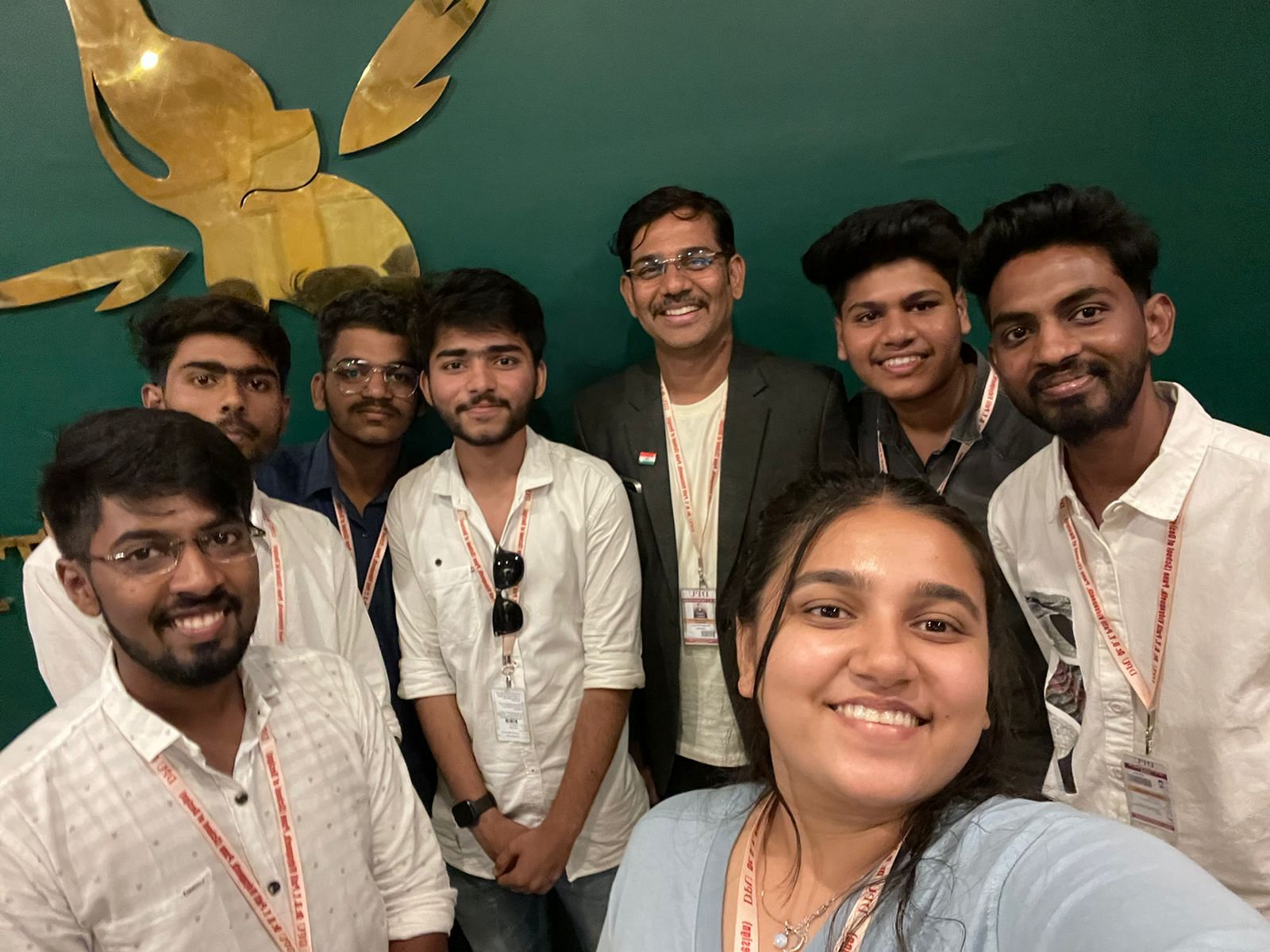
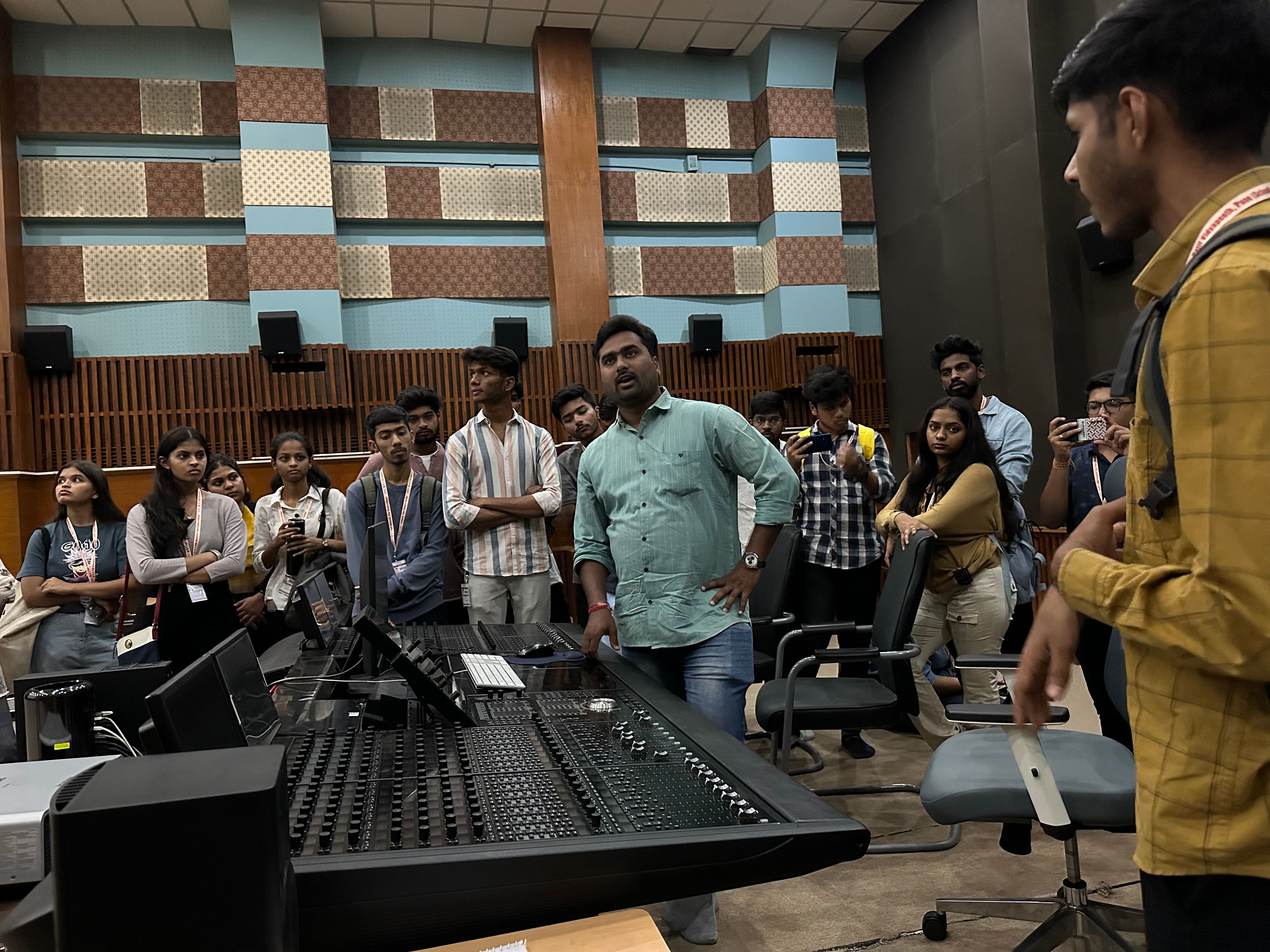
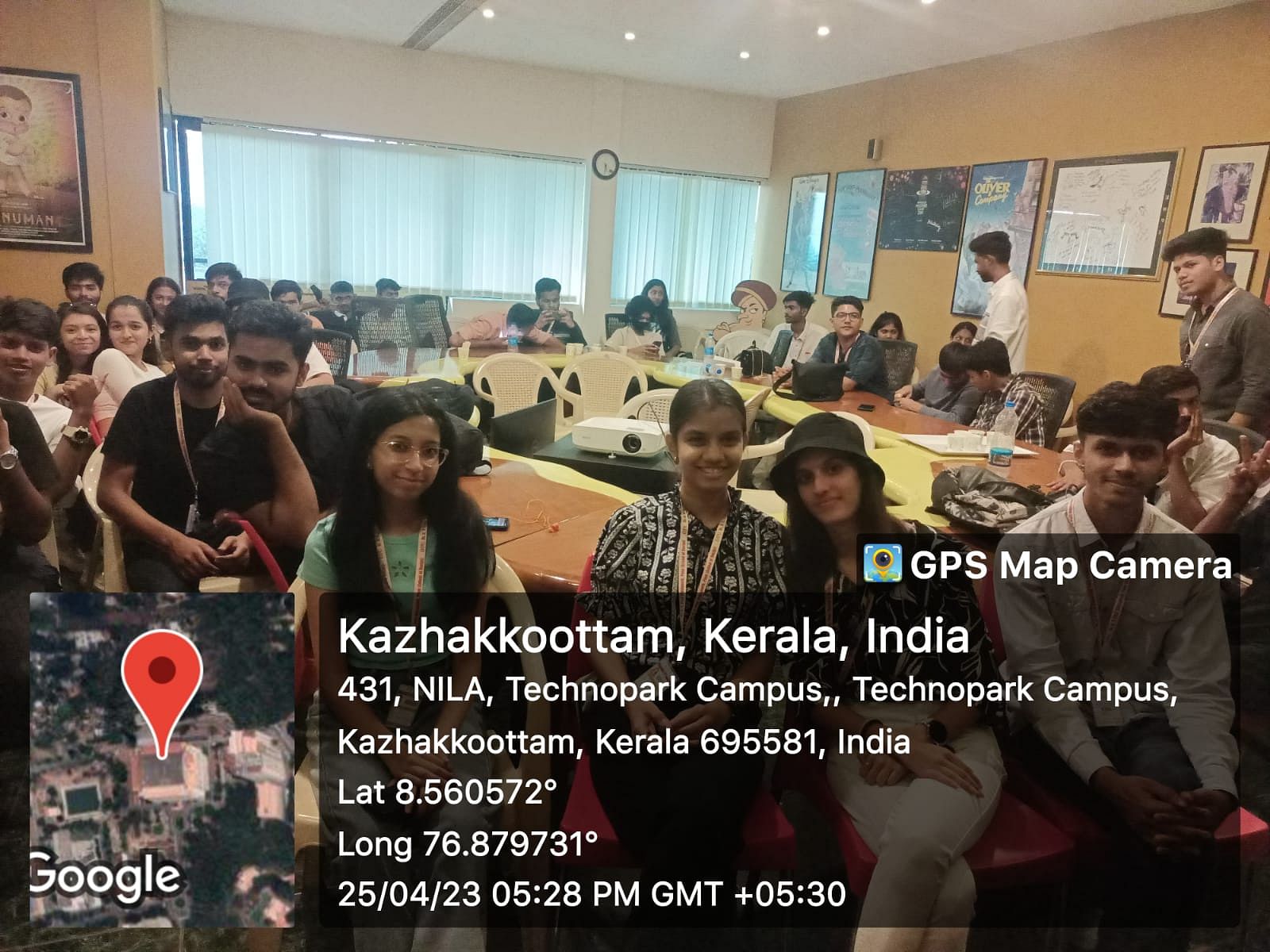
At the heart of the Communication Design program lies a hands-on, studio-based learning environment. Classrooms at DPUSOD function as creative studios, dynamic spaces filled with ideation, experimentation, collaboration, and critique. This approach fosters curiosity and allows students to learn through active creation rather than passive instruction.
Projects are structured to reflect real-world design scenarios, enabling students to experience the complete creative process from research and concept development to execution and presentation. This exposure helps them understand deadlines, client briefs, teamwork, and iteration, preparing them for the realities of the professional design industry.
Mentorship plays a vital role in this journey. The faculty comprises experienced designers, artists, and industry practitioners who guide students in refining their creative voice while meeting industry standards. Regular critiques and peer discussions help students build confidence, articulate their ideas effectively, and develop a strong problem-solving mindset that are essential for long-term success in creative careers.
A Curriculum That Evolves with the Creative Industry
Design is an ever-evolving field, and the Communication Design program at DPUSOD is built to evolve with it. The curriculum is dynamic, industry-relevant, and future-focused, ensuring students stay ahead of trends rather than chase them. It thoughtfully blends classical design principles with modern tools, technologies, and emerging practices.
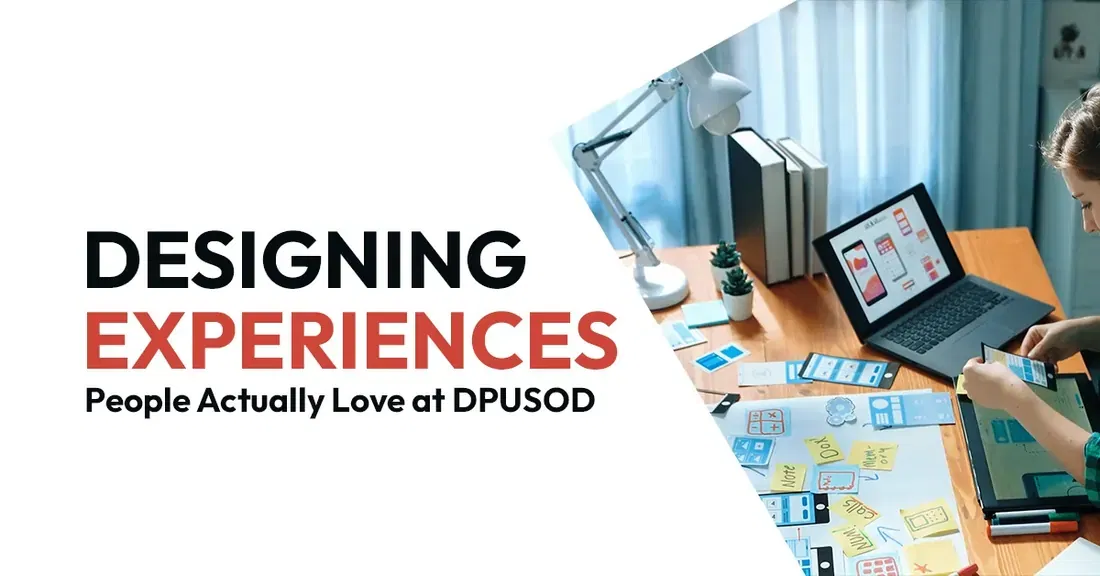
Students are introduced to design thinking methodologies, advanced digital tools, and contemporary disciplines such as UI/UX design, motion graphics, and visual communication for digital and interactive platforms. Equal importance is given to research, concept development, and storytelling, ensuring that every design decision is backed by insight and purpose.
Sustainability, ethics, and social responsibility are integral to the learning process. Students are encouraged to reflect on the impact of their work and design with awareness and accountability. By graduation, they emerge not just as skilled designers, but as adaptable, thoughtful professionals ready to contribute meaningfully to the creative industry.
What You’ll Learn as a Communication Design Student
- Core principles of visual communication, typography, color, and layout
- Branding systems, identity design, and advertising concepts
- Illustration, publication design, and visual storytelling techniques
- Fundamentals of UI/UX design and interactive media
- Research, ideation, and design thinking methodologies
- Professional presentation skills, critiques, and portfolio development
Career Pathways That Let Your Ideas Travel Far
- Graphic Designer
- Brand Identity and Visual Communication Designer
- UI/UX Designer
- Visual Storyteller or Illustrator
- Art Director
- Motion Graphics Designer
- Design Strategist
- Creative Entrepreneur or Freelance Designer
Final Words: Where Creativity Finds Its Voice
Choosing Communication Design at this institute means stepping into an environment where curiosity is encouraged, experimentation is celebrated, and ideas are nurtured with intent. It is a space where students are empowered to question conventions, explore possibilities, and express their unique creative perspectives while being guided by strong academic and industry frameworks.
In an age where attention is the most valuable currency, Communication Design teaches you how to earn it thoughtfully, ethically, and creatively. At DPUSOD, you don’t just learn to design, you learn to communicate with clarity, confidence, and purpose.
Because here, ideas don’t just exist. They speak loudest.
-
Studio-driven, hands-on learning environment for real-world project experience. -
Curriculum blends classical design principles with modern tools like UI/UX and motion graphics. -
Emphasizes human-centered design, empathy, context, and social responsibility. -
Mentorship from experienced industry practitioners in dynamic studio settings.